


In a workshop the floor must resist oil, hydraulic fluids, detergents and jack loads all at once, and must not be slippery when wet.
Everything the floor faces
A workshop floor sees engine oil, brake fluid, antifreeze, fuel drips, detergents and water together, plus jack stands, lift fixings and constant vehicle traffic. Bare concrete absorbs these fluids, stains and eventually dusts.
Oil and chemical resistance
Epoxy systems create a sealed surface against oil and many chemicals; spills wipe away. Where aggressive substances such as fuel and solvents are present, check the system's resistance chart.
Water and falls in car washes
In a wash bay the floor is constantly wet. Falls to drains must be kept, and the coating must meet drain gratings with a watertight edge.
Slip resistance
On a wet, soapy surface slip resistance protects staff and customers alike. A textured finish is achieved by adding suitable aggregate to the coating.
Point loads
Jack and lift feet create point loads; coating thickness and system type are chosen accordingly. A thin paint layer will not withstand them.
Frequently Asked Questions
Which floor suits an auto workshop?
Oil- and chemical-resistant epoxy systems of suitable thickness, with an anti-slip finish in wet areas.
Will oil stain the coating?
A sealed coating does not absorb oil; it simply wipes clean.
Can the coating withstand a car wash?
With the right system and proper drain details it withstands constant wet conditions.
Would you like a site survey for your floor? HBK Epoxy Flooring, based in Gaziantep, offers free surveys and quotations in the surrounding provinces.
0507 597 9537 WhatsAppRelated articles
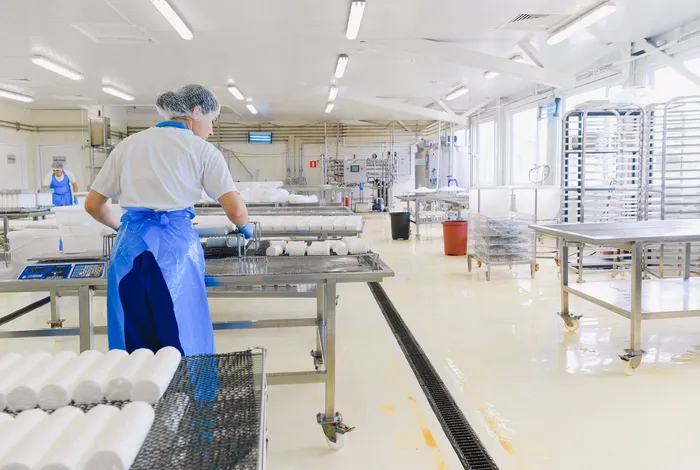
Flooring for Food Production Plants: Hygiene Requirements
In a food plant the floor is part of the production line: a seamless, easy-to-clean surface that resists chemicals and hot water is the basis of hygiene.
Read article ›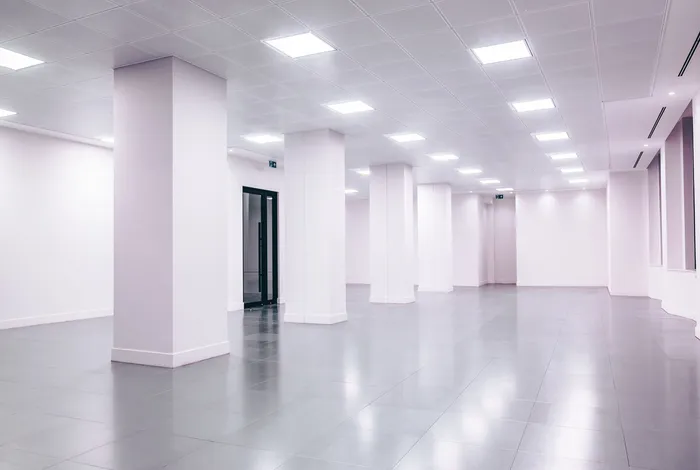
Flooring for Pharmaceutical and Cosmetics Production: Cleanroom Needs
In a cleanroom the floor must neither shed nor hold dust; it must withstand disinfectants and, where needed, control static electricity.
Read article ›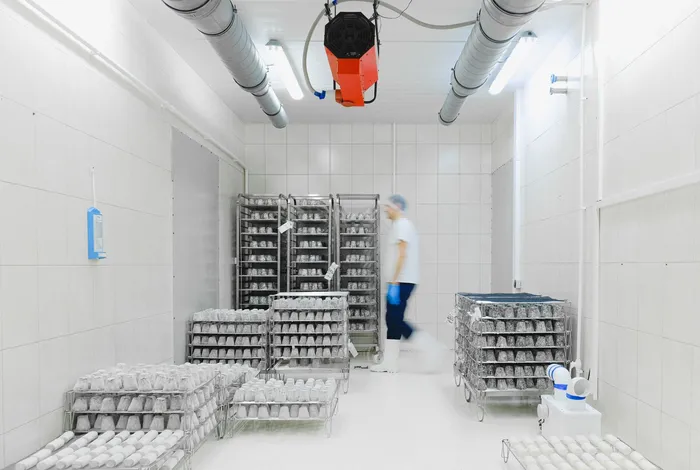
Cold Storage Flooring: Performance at Low Temperatures
In cold storage the floor must not crack below zero, must cope with the temperature difference at the door and must stay grippy despite condensation.
Read article ›