

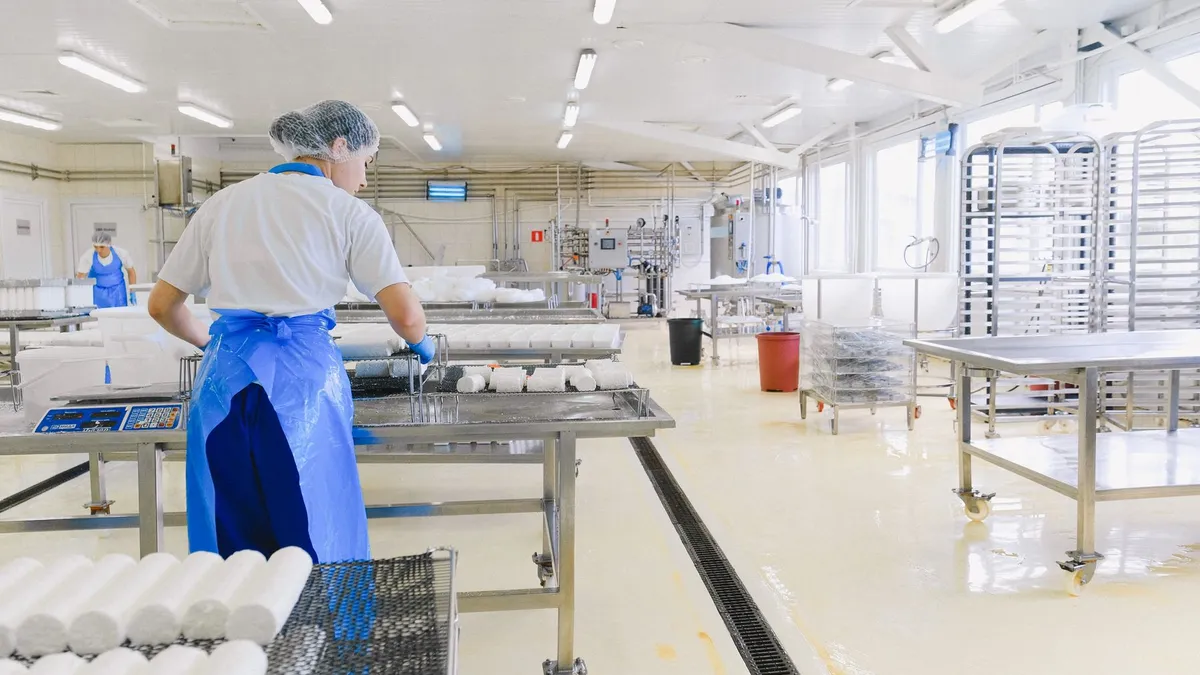
In a food plant the floor is part of the production line: a seamless, easy-to-clean surface that resists chemicals and hot water is the basis of hygiene.
The floor is part of hygiene
In food production the floor is in daily contact with water, oil, sugar, acids and cleaning chemicals. A porous or jointed surface traps this dirt and becomes a home for bacteria. That is why the first requirement is a seamless, non-porous surface.
Hot water and chemical cleaning
Many lines are washed with hot water, steam or strong chemicals. Standard epoxy can struggle with high temperatures and sudden thermal changes; in hot-wash areas, polyurethane-cement systems (such as Ucrete) may be more suitable. The choice should be made area by area.
Falls and drains
The floor is laid to falls so that water does not pond. The coating must keep these falls intact and bond neatly to drains and channels.
Skirting and corners
Wall-to-floor corners collect dirt. Continuing the coating up the wall as a coved skirting makes cleaning much easier.
Slip resistance
In wet and greasy areas, slip resistance is a safety matter. Surface texture is chosen by balancing cleanability against grip.
Frequently Asked Questions
Which floor coating is used in food plants?
It depends on the area: epoxy in dry zones, polyurethane-cement systems where there is hot washing and thermal shock.
Are joints left in the floor?
A seamless surface is the goal; structural joints are closed with suitable sealants.
Does slip resistance make cleaning harder?
Rougher textures are harder to clean, so a balanced level is chosen for each area.
Would you like a site survey for your floor? HBK Epoxy Flooring, based in Gaziantep, offers free surveys and quotations in the surrounding provinces.
0507 597 9537 WhatsAppRelated articles
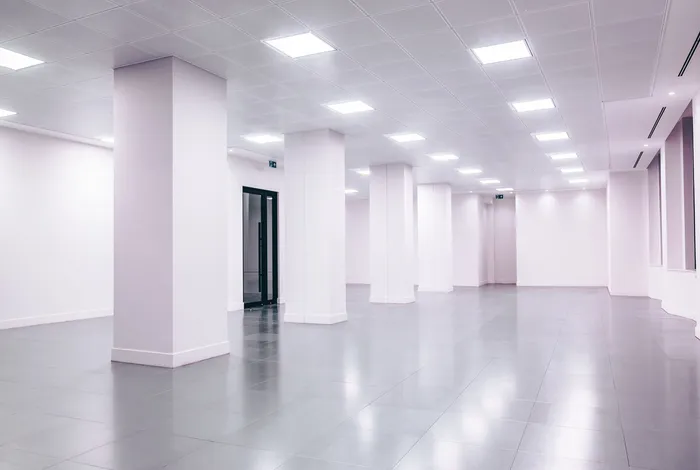
Flooring for Pharmaceutical and Cosmetics Production: Cleanroom Needs
In a cleanroom the floor must neither shed nor hold dust; it must withstand disinfectants and, where needed, control static electricity.
Read article ›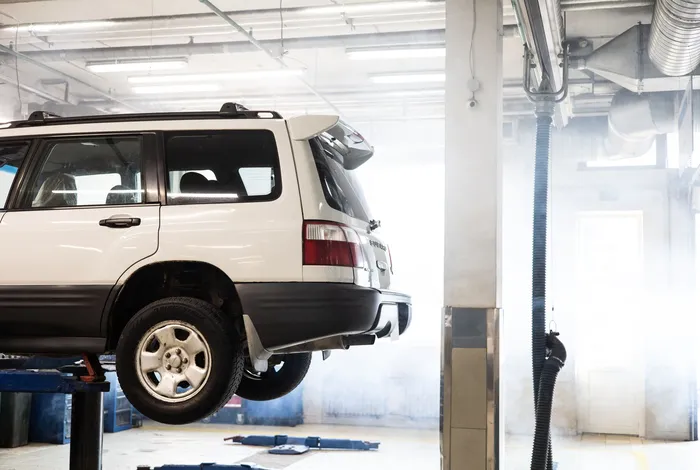
Flooring for Auto Service and Car Wash Areas: Oil, Chemicals and Water
In a workshop the floor must resist oil, hydraulic fluids, detergents and jack loads all at once, and must not be slippery when wet.
Read article ›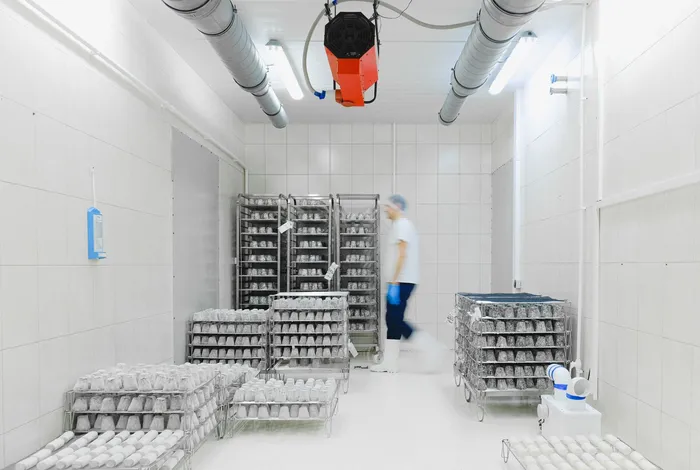
Cold Storage Flooring: Performance at Low Temperatures
In cold storage the floor must not crack below zero, must cope with the temperature difference at the door and must stay grippy despite condensation.
Read article ›