

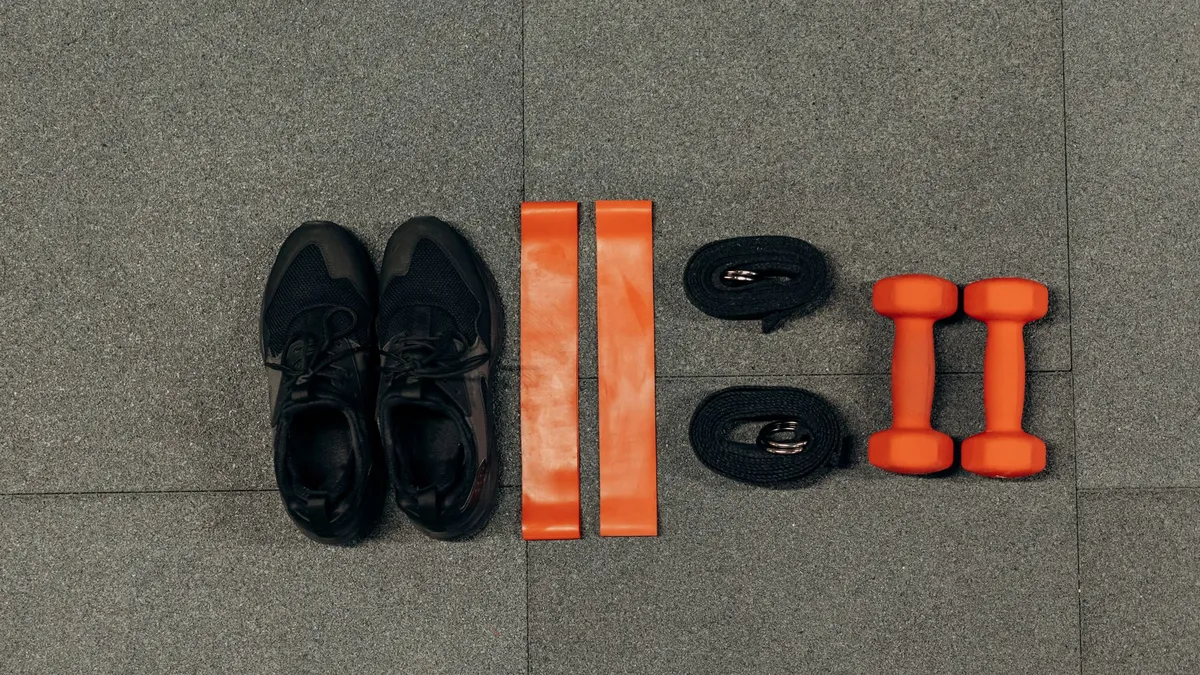
One floor type is not enough for a gym: the weights area must absorb impact, the cardio area must be quiet and the class studio must protect joints.
Floors by zone
Different gym areas have different needs. Free weights, cardio machines and group classes do not perform best on the same floor.
Free-weight zone
Dropped dumbbells and plates deliver heavy impacts. Thick rubber tiles or impact-absorbing layers protect both concrete and equipment and reduce noise.
Cardio area
Vibration from treadmills and bikes can travel to floors below as noise. A vibration-damping floor improves comfort throughout the building.
Group class studio
For jumping and aerobic movement, a flexible floor that protects joints is preferred.
Hygiene
Surfaces in contact with sweat are cleaned often; systems with few joints and good resistance to cleaners make hygiene easier.
Frequently Asked Questions
What floor is used in the weights area?
Thick impact-absorbing rubber tiles or similar layered systems.
How can cardio machine noise be reduced?
A vibration-damping floor reduces noise transmitted to floors below.
Can the whole gym have one floor?
It can, but zone-specific systems perform better.
Would you like a site survey for your floor? HBK Epoxy Flooring, based in Gaziantep, offers free surveys and quotations in the surrounding provinces.
0507 597 9537 WhatsAppRelated articles

Flooring for Food Production Plants: Hygiene Requirements
In a food plant the floor is part of the production line: a seamless, easy-to-clean surface that resists chemicals and hot water is the basis of hygiene.
Read article ›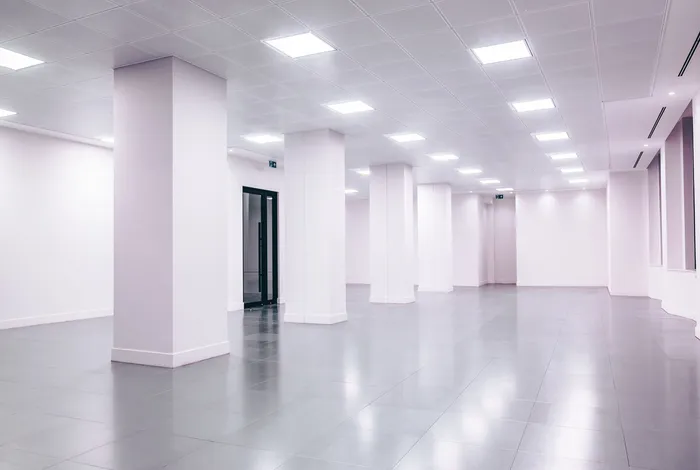
Flooring for Pharmaceutical and Cosmetics Production: Cleanroom Needs
In a cleanroom the floor must neither shed nor hold dust; it must withstand disinfectants and, where needed, control static electricity.
Read article ›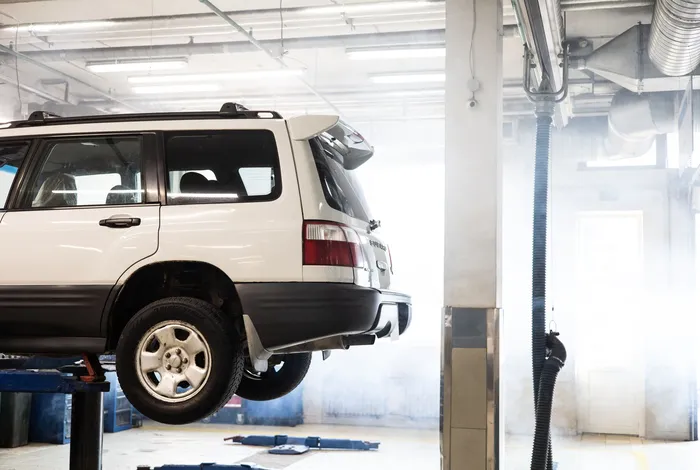
Flooring for Auto Service and Car Wash Areas: Oil, Chemicals and Water
In a workshop the floor must resist oil, hydraulic fluids, detergents and jack loads all at once, and must not be slippery when wet.
Read article ›