

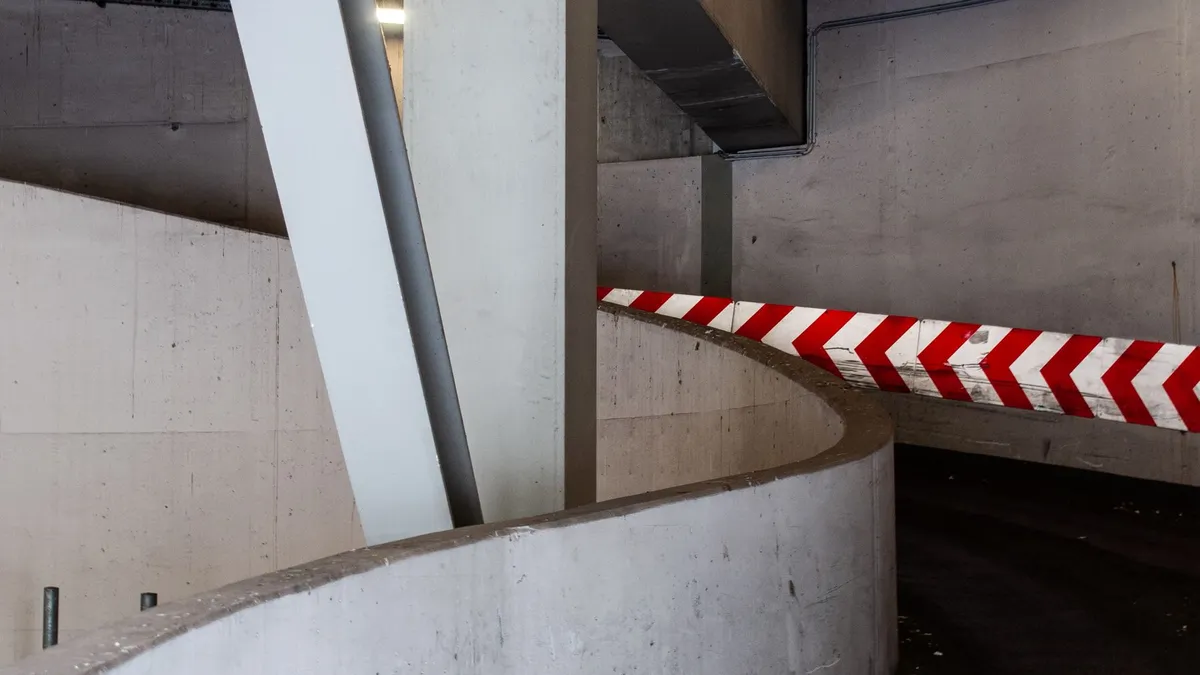
The ramp is the hardest surface in a car park: slope, braking, turning and wet tyres all meet here. On ramps, grip comes before looks.
Why ramps are demanding
On a ramp a car loads the floor with both slope and turning forces. Braking and accelerating wear the surface, and on rainy days water from wet tyres raises the risk of slipping on the incline. A coating that lasts for years on the flat decks can wear out within a few seasons at ramp entries and turning points. That is why a ramp should be treated as a project of its own, separate from the rest of the car park.
Covered and open ramps are not the same
An internal ramp in a covered car park is sheltered from sun and frost; hard, wear-resistant epoxy broadcast systems perform well there. An open ramp or top deck, however, works under sun, rain, frost and day-night temperature swings, and fine cracks in the concrete can open and close. In these areas flexible, UV-resistant polyurethane systems with crack-bridging ability come to the fore. The same distinction appears in the German DIN V 18026 classification, widely used in practice: rigid OS 8 systems for covered, sheltered traffic areas and crack-bridging OS 11 systems for exposed decks.
An anti-slip surface
On ramps, coarser aggregate is broadcast into the coating to create a pronounced texture that grips far better than flat areas. The broadcast sand is locked in with a topcoat: if the topcoat is too thick it fills the texture, and if it is too thin the grains break out. We cover choosing the right texture in anti-slip epoxy and the classification system in slip resistance ratings.
Wear resistance
Turning points and ramp entries wear most. Extra thickness and periodic checks in these zones extend service life. The transition line at the foot of the ramp is where drivers brake and steer hardest; reinforcing the broadcast layer there with an additional coat is a common measure. The ramp should be inspected at least once a year, ideally before winter; where the texture has polished, grains have broken out or lines have faded, the surface can be lightly abraded and given a new broadcast layer and topcoat. Maintenance done while the damage is small is far less work than renewing the whole ramp.
Ice on open ramps
Open ramps can ice up in winter. Resistance to de-icing salts and drainage details that stop water collecting are important. The channels at the top and bottom of the ramp should be kept clear, and water must not be allowed to pond along the foot of the side walls.
Tyre squeal
Very smooth, glossy surfaces make tyres squeal when turning; a textured ramp surface reduces this noise as well.
Installation steps
- Check the concrete: a coating can only hold on to sound concrete. The Sikafloor-161 primer data sheet, for example, requires a substrate compressive strength of at least about 25 N/mm² and a tensile strength of about 1.5 N/mm².
- Surface preparation: laitance and weak surface material are removed by shot blasting or grinding.
- Cracks and joints: static cracks are filled with resin; moving cracks and joints are treated with elastic materials or as movement joints (joints and cracks before coating).
- Primer, broadcast layer and topcoat: the texture level is set specifically for the ramp.
- Lines and markings: direction arrows, lanes and warning lines go on last (car park line marking).
Weather and opening to traffic
Timing matters on an open ramp. The Sikafloor-161 data sheet recommends applying outdoors while temperatures are falling; a coat applied while the temperature rises can trap air escaping from the concrete as bubbles. The substrate must also stay above the dew point (dew point calculation). The wait before vehicle traffic depends on the product and the temperature; the Sikafloor-264 data sheet, for example, gives about 4 days for light traffic and about 7 days for full cure at +20 °C. These times are longer in cold weather.
Common mistakes
- Giving the ramp the same texture as the flat decks.
- Choosing a rigid system for an exposed deck and ignoring cracks.
- Leaving drain and channel details until after coating.
- Opening the ramp to traffic before the coating has cured.
Frequently Asked Questions
Why do car park ramps get slippery?
Slope, wet tyres and a worn surface together reduce grip. Wear of the texture at turning points over time also increases slipping.
How is a ramp coating made anti-slip?
Coarse aggregate is broadcast into the coating to form a pronounced texture, and the grains are locked in with a topcoat. The texture level for a ramp is chosen separately from the flat areas.
Can de-icing salt be used on open ramps?
Check the coating's salt resistance; a suitable system withstands it. Drainage details must also stop water collecting on the ramp.
When can a ramp coating take vehicle traffic?
It depends on the product and temperature. The Sikafloor-264 data sheet, for example, gives about 4 days for light traffic and about 7 days for full cure at +20 °C; times are longer in the cold.
Would you like a site survey for your floor? HBK Epoxy Flooring, based in Gaziantep, offers free surveys and quotations in the surrounding provinces.
0507 597 9537 WhatsAppRelated articles
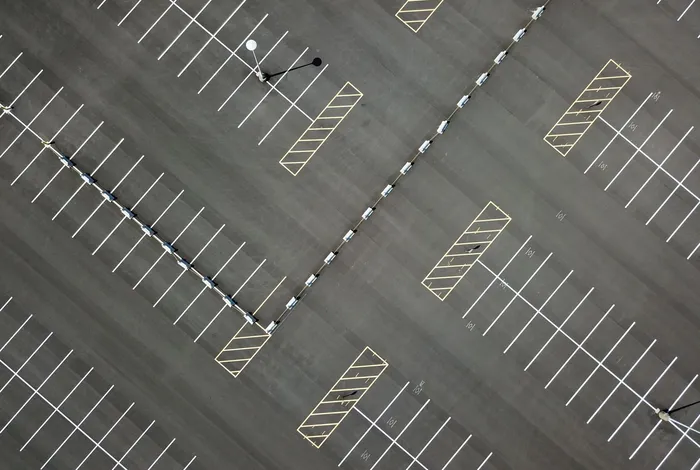
Parking Space Dimensions: Bay Sizes Under Turkey's Car Park Regulation
Turkey's Car Park Regulation sets a minimum of 2.40×4.90 metres for a car parking space and a minimum width of 3.50 metres for an accessible bay. Line layouts are planned with these sizes and the aisle.
Read article ›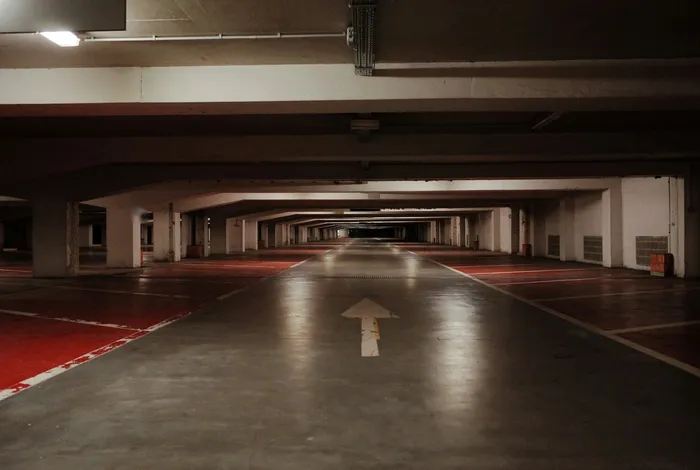
Car Park Floor Coatings: Protection Against Salty Water and Slush in Winter
In winter, cars bring snow, slush and road de-icing salt into car parks. This salty water can penetrate concrete and reach the rebar; the right coating, falls and maintenance protect the deck.
Read article ›
Is Epoxy Flooring Suitable for Homes? Living Room, Kitchen and Bathroom
Epoxy can be used at home too, but a house brings different expectations from a factory. The substrate, grip in wet rooms and sunny windows decide the right choice.
Read article ›