

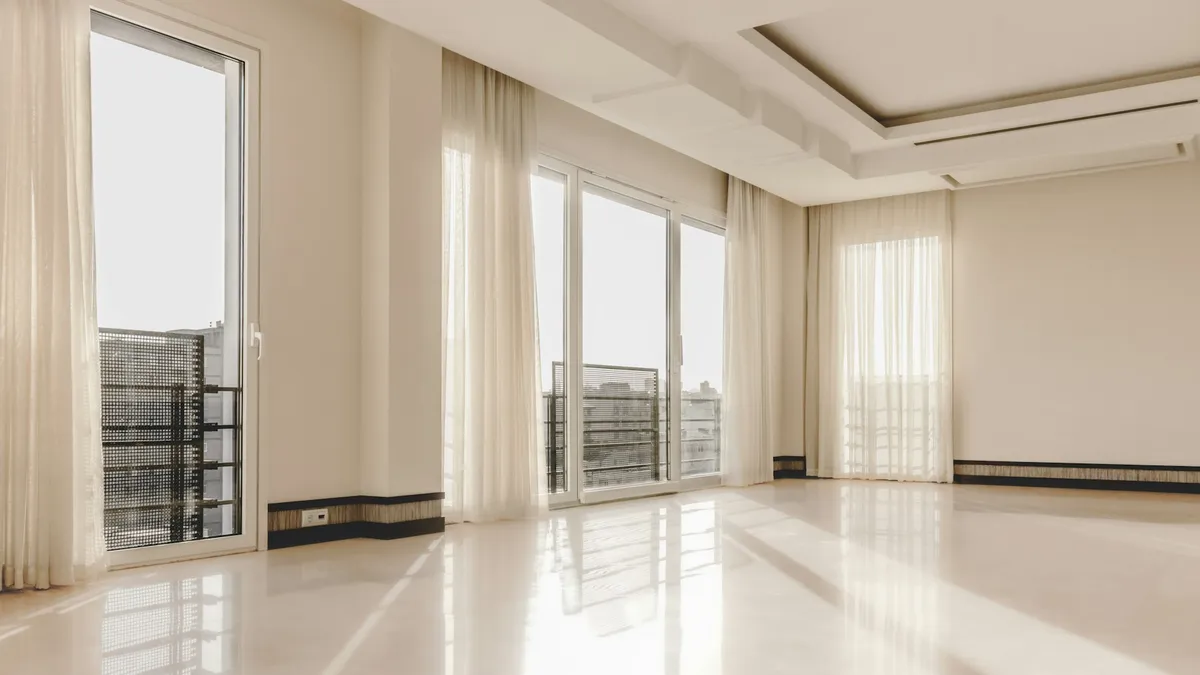
Epoxy can be used at home too, but a house brings different expectations from a factory. The substrate, grip in wet rooms and sunny windows decide the right choice.
The short answer: yes, with the right system and substrate
Epoxy flooring is not only for factories and warehouses; with a suitable system and a properly prepared substrate it can be used at home too. A seamless surface is easy to clean, does not hold dust and comes in a wide range of colours. But expectations in a home are different: footstep noise, the feel underfoot, furniture scratches, sun through the windows and grip in the bathroom matter more than on an industrial floor. The sections below summarise what to check before deciding.
The substrate comes first: screed, tiles or wood
Epoxy needs a dry, sound and stable mineral substrate. A newly laid screed must be allowed to dry, and the decision is based on measurement rather than time; we explain why moisture is measured in concrete moisture testing. Existing ceramic tiles can often be coated without removal: firmly bonded, uncracked tiles are sanded and their joints filled, while hollow tiles are removed first (epoxy over ceramic tiles). Laminate and floating wood floors, however, move and are not a suitable substrate for epoxy; they are lifted and the screed beneath is assessed.
Living room and bedroom
A large seamless surface makes a room look bigger, and besides plain colours there are metallic and decorative epoxy options. Worth knowing:
- A hard surface reflects the sound of footsteps and chairs; rugs and felt pads under furniture legs reduce it.
- On a very glossy surface, scratches and dust show more; a matt or satin top coat can be chosen for busy areas. For care and renewal, see stains and scratches on epoxy floors.
- With underfloor heating, the start-up sequence and temperature changes are planned separately (epoxy over underfloor heating).
Sunny windows
Epoxy can change colour over time in direct sunlight; the Sikafloor-264 data sheet, for example, also notes that discolouration and colour variation may occur under direct sunlight. In sunny living rooms, conservatories and in front of balcony doors, the floor is protected with a UV-resistant polyurethane top coat; we compare the two materials on our polyurethane or epoxy page.
Kitchen
Against grease, water and food stains, a seamless surface makes cleaning easier, as dirt has no joints to collect in. Hot pots and pans should not be put straight on the floor, and protective pads should go under heavy cabinets and appliances. Acidic cleaners and food acids such as vinegar left standing for a long time can mark the surface, so spills should be wiped up promptly. You can read how well the coating resists each substance from the product's own table, as described in how to read a chemical resistance chart.
Bathrooms and wet rooms
In the bathroom, grip is the key issue. A completely smooth, glossy surface becomes slippery when wet, so a lightly textured anti-slip top coat is chosen (anti-slip epoxy, R9–R13 slip resistance ratings). A fully cured epoxy surface is impermeable to water, but in a bathroom water usually escapes not through the surface but around the drain, at wall–floor junctions and at pipe penetrations. These points must be detailed correctly together with the coating (is epoxy flooring waterproof).
Living at home during the work, and health
The answer to “is epoxy flooring harmful?” lies in separating the application period from everyday use. Unmixed resin and hardener can cause skin sensitisation, and these warnings appear in the product's safety data sheet. That is why nobody stays in the room during application and the first cure, the area is ventilated, and children and pets are kept away. Solvent-free systems are easier in terms of odour; details are in epoxy odour and ventilation. Fully cured epoxy is a hard, stable surface; for homes, products with an indoor-air emission certificate can be preferred.
The example data sheet gives about 24 hours to foot traffic and about 7 days to full cure at +20 °C; these times are longer in the cold. Furniture is moved back accordingly, and harsh cleaners are avoided in the first weeks (the first 30 days after coating).
When is it not the right choice?
- When there is a moisture problem in the substrate that cannot be solved.
- When the floor moves, or there is a floating wood floor that cannot be removed.
- When you want a warm, soft feel underfoot; like ceramic tiles, epoxy is a hard, cool surface.
For the garage of the house, see our article on epoxy floors for home garages.
Frequently Asked Questions
Is epoxy flooring suitable for homes?
Yes, provided the substrate is dry and sound, wet areas get an anti-slip texture and sunny spots a UV-resistant top coat.
Is epoxy flooring harmful to health?
Unmixed components can cause skin sensitisation, so nobody stays at home during application and the area is ventilated. A fully cured coating is a hard, stable surface.
Can epoxy be used in a bathroom?
Yes. The surface should have an anti-slip texture, and points where water can escape, such as around the drain and at wall–floor junctions, must be detailed separately.
Can epoxy be applied over ceramic tiles?
Firmly bonded, uncracked tiles can be coated after sanding and filling the joints; hollow tiles are removed first.
Would you like a site survey for your floor? HBK Epoxy Flooring, based in Gaziantep, offers free surveys and quotations in the surrounding provinces.
0507 597 9537 WhatsAppRelated articles
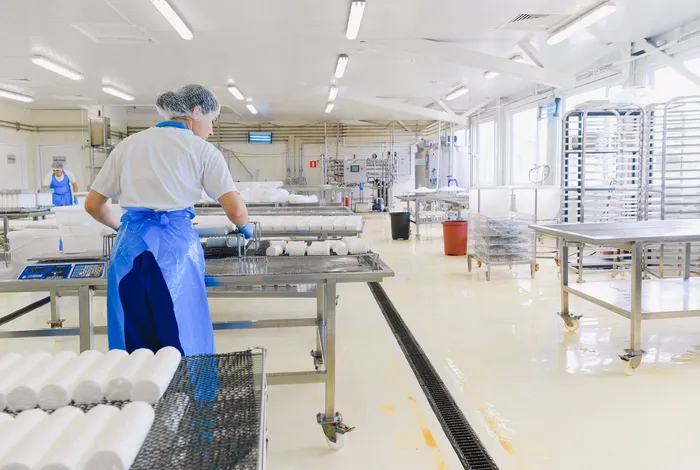
Flooring for Food Production Plants: Hygiene Requirements
In a food plant the floor is part of the production line: a seamless, easy-to-clean surface that resists chemicals and hot water is the basis of hygiene.
Read article ›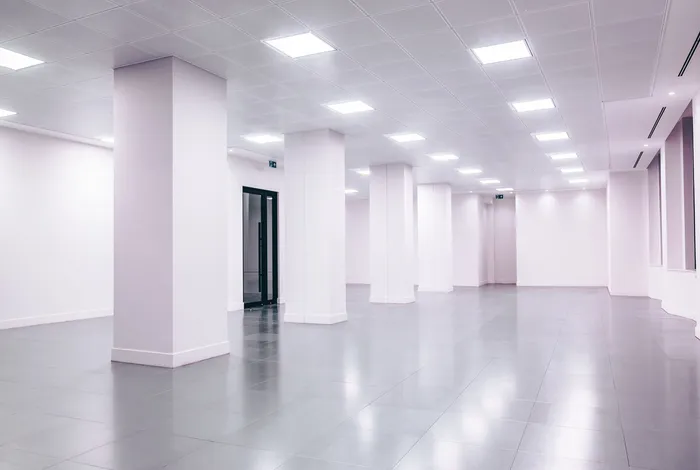
Flooring for Pharmaceutical and Cosmetics Production: Cleanroom Needs
In a cleanroom the floor must neither shed nor hold dust; it must withstand disinfectants and, where needed, control static electricity.
Read article ›
Flooring for Auto Service and Car Wash Areas: Oil, Chemicals and Water
In a workshop the floor must resist oil, hydraulic fluids, detergents and jack loads all at once, and must not be slippery when wet.
Read article ›