

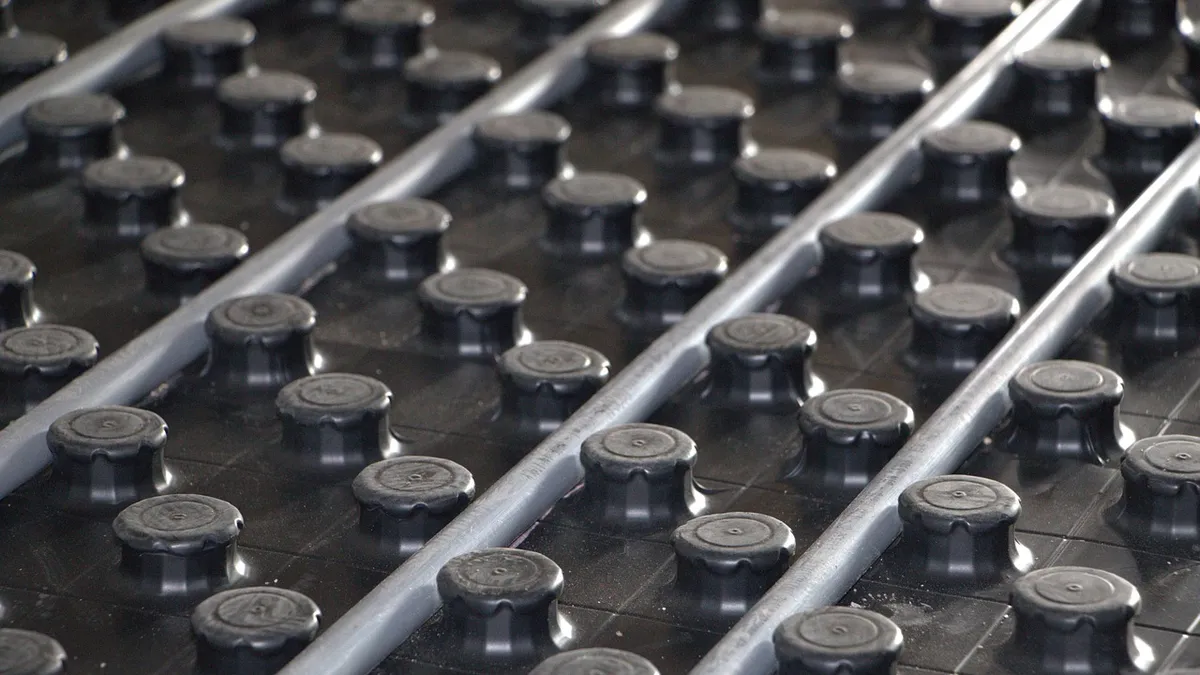
Underfloor heating and epoxy can work together, but the heating must be off during application and brought back up gradually.
Can they be combined?
Yes. Epoxy is a thin, dense layer that conducts heat well and can be used in heated homes, offices and showrooms.
During application
The heating must be switched off while coating. A warm floor can make the resin cure too fast and cause bubbles and surface defects.
Preparing the screed
Heated screeds also need moisture testing and crack repair. Heating cycles move the screed, so cracks can telegraph through the coating.
First start-up
After the coating has fully cured, the heating should not jump to a high temperature but be raised gradually over several days.
Flexible systems
Where temperature swings are large, more flexible polyurethane-based systems can also be considered.
Frequently Asked Questions
Can epoxy go over underfloor heating?
Yes; epoxy conducts heat well and can be used with proper preparation.
Can the heating stay on during application?
No; it must be off while coating.
How is heating switched on afterwards?
After full cure, raising the temperature gradually over several days.
Would you like a site survey for your floor? HBK Epoxy Flooring, based in Gaziantep, offers free surveys and quotations in the surrounding provinces.
0507 597 9537 WhatsAppRelated articles
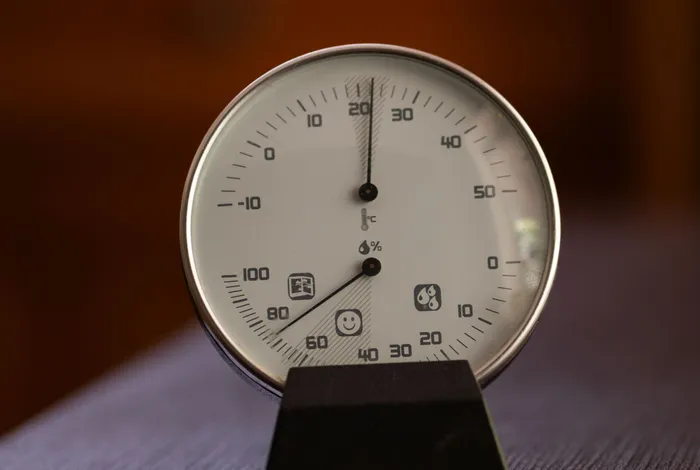
Concrete Moisture Testing: Why and How Before Coating
Concrete can look dry yet hold moisture inside. Under a coating this moisture creates vapour pressure; work started without testing may later blister.
Read article ›
Stains and Scratches on Epoxy Floors: Prevention, Cleaning and Renewal
Epoxy is tough but not scratch-proof. Most stains come out with correct cleaning; deep scratches are removed with a topcoat renewal without removing the floor.
Read article ›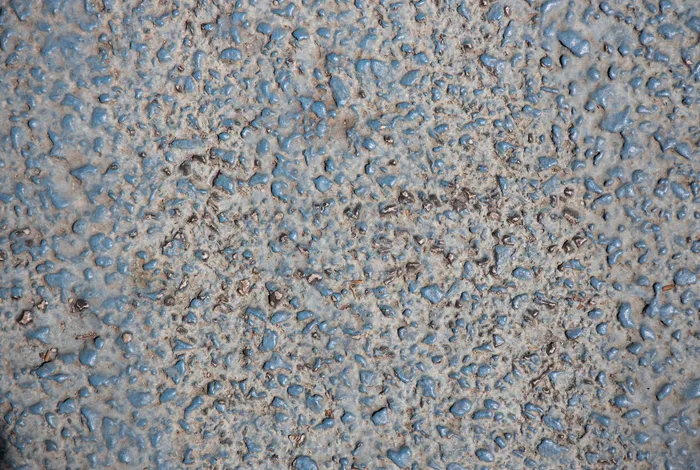
Anti-Slip Epoxy: How to Choose the Right Texture
More texture is not always better: too much makes cleaning harder. The right level depends on how wet and oily the area is.
Read article ›