


Epoxy is tough but not scratch-proof. Most stains come out with correct cleaning; deep scratches are removed with a topcoat renewal without removing the floor.
Where scratches come from
Most scratches come from abrasive dirt such as sand and metal swarf, dragged pallets and steel wheels. Keeping grit off the floor is the first defence. A single grain of sand stuck to a shoe sole or a wheel can leave a trail metres long on a glossy surface.
Stains
Tyre marks, oil and some chemicals can stain the surface. Most come out with a neutral cleaner suited to the floor and a soft brush; harsh acidic or solvent products can dull the surface. Sika's maintenance guidelines ask for spilled liquids and powders to be removed as soon as possible, both for health and safety and to keep the floor in good condition. Once the spill is removed, the area is cleaned as usual, and if the floor has a protective film, it is checked to see that it is still intact.
Preventive measures
Entrance mats, protective pads on table and rack feet, and polyurethane instead of steel wheels noticeably reduce scratching. The guidelines also ask that heavy equipment is not dragged across the floor, that sharp or heavy tools are not dropped, and that vehicle wheels are not spun or pivoted on the spot.
Protection until building work ends
If other trades are still working in the building after the coating has cured, the floor is covered temporarily. The guidelines recommend a polythene sheet with a suitably resistant layer of boards on top, taped at the joints. We describe precautions for moving machinery in protecting epoxy during heavy machine installation.
The first clean after construction
Once the protection is removed, the floor is swept and inspected. Shoe scuffs, tyre residue and spills are spot-cleaned with a degreaser; then the whole surface is washed with a mildly alkaline or neutral cleaner, the solution is removed with a mop or wet vacuum, and the water is changed often. For the rules of the first weeks, see the first 30 days after coating.
Machines and pads
According to the guidelines, a white pad or a microfibre pad is used on new and lightly soiled floors; on heavily soiled areas a red pad can be used carefully and briefly. Repeated use of red, blue or black pads gradually reduces gloss. The cleaning solution is left for 3–5 minutes and the first pass is made with the vacuum off; on a single-disc machine the pad load should not exceed about 22.7 kg.
A protective polish film
On glossy surfaces a thin coat of polymer and wax polish works as a sacrificial film: scratches land in the film rather than the coating. Worn areas get a fresh coat, and when coats build up the film is removed with a stripper that does not harm the floor, then renewed. If slip resistance is needed, a matt maintenance finish is chosen (anti-slip epoxy). With any polish or cleaner, always follow that manufacturer's current instructions.
A different rule for antistatic floors
On antistatic (ESD) floors no polish or other non-conductive film is used, and build-up of dust, grease and dirt also reduces the floor's effectiveness. The guidelines say cleaning should finish with a clean-water rinse and warn that hard water can leave a residue. We cover cleanroom needs in pharmaceutical and cosmetics flooring.
Cleaning tools to avoid
Unapproved strong chemicals, stiff or abrasive-impregnated brush heads and abrasive cleaning tools dull and scratch the surface. You can check which chemicals will harm the floor with the method in reading a chemical resistance chart.
Sanding and a new topcoat
Deep scratches and dullness can be removed without taking up the floor by lightly sanding the surface and applying a new topcoat. For the new coat to bond, the surface must be clean, dry and free of grease; to avoid a difference in shade, the same product and colour are used where possible (colour differences and patchiness).
Matt or gloss?
In heavy-traffic areas a satin or matt topcoat shows scratches less than a high-gloss finish. Marks left by hot tyres in a garage are a separate issue, covered in epoxy for home garages.
Frequently Asked Questions
How are tyre marks removed from epoxy?
Usually with a neutral cleaner suited to the floor and a soft brush; stubborn marks are spot-cleaned with a degreaser and the solution is removed with a mop or wet vacuum.
Must the floor be removed for deep scratches?
No; light sanding and a new topcoat are usually enough.
Which finish hides scratches better?
A satin or matt topcoat shows scratches less than gloss.
Which pad should be used to machine-clean an epoxy floor?
According to Sika's maintenance guidelines, a white or microfibre pad on new and lightly soiled floors, and a red pad used carefully where soiling is heavy. Repeated use of red, blue or black pads reduces gloss.
Would you like a site survey for your floor? HBK Epoxy Flooring, based in Gaziantep, offers free surveys and quotations in the surrounding provinces.
0507 597 9537 WhatsAppRelated articles
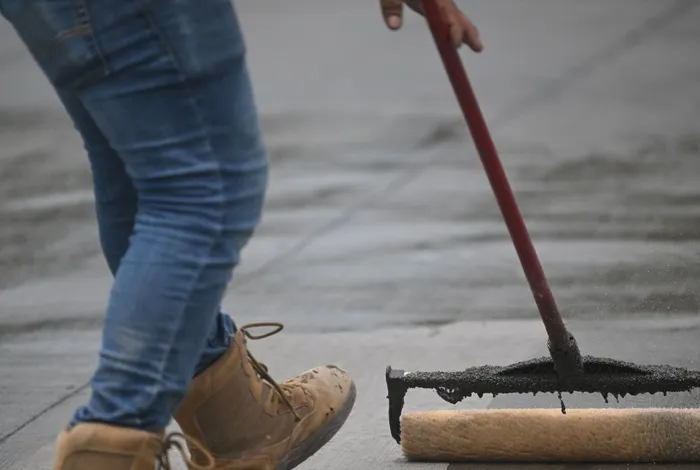
What Is an Epoxy Primer? Why It Is Used and How It Is Applied
The primer is the first coat that bonds an epoxy coating to concrete. It seals the pores, binds fine surface dust and helps the following coats sit on a sound base.
Read article ›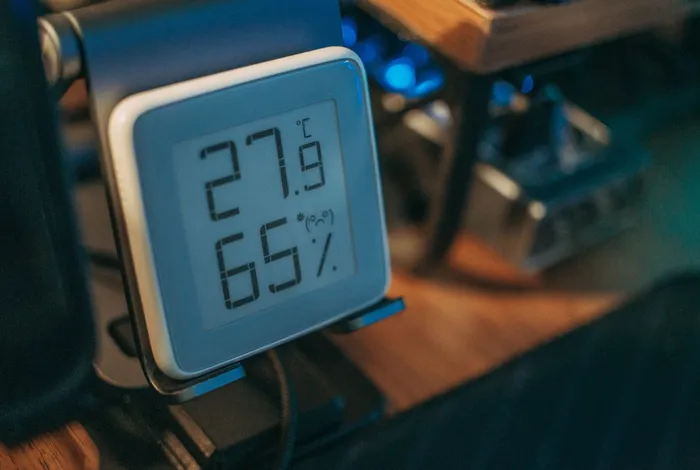
How to Calculate the Dew Point: The 3 °C Rule for Floor Coatings
If the floor temperature approaches the dew point, an invisible film of water forms on the new coating. Measuring temperature and humidity tells you the risk in minutes.
Read article ›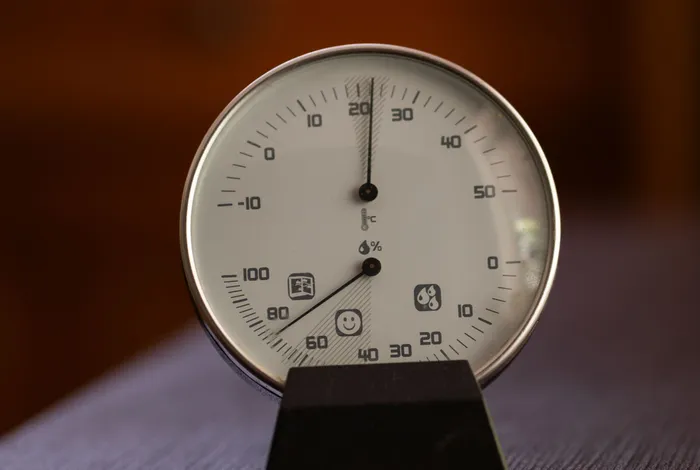
Concrete Moisture Testing: Why and How Before Coating
Concrete can look dry yet hold moisture inside. Under a coating this moisture creates vapour pressure; work started without testing may later blister.
Read article ›