

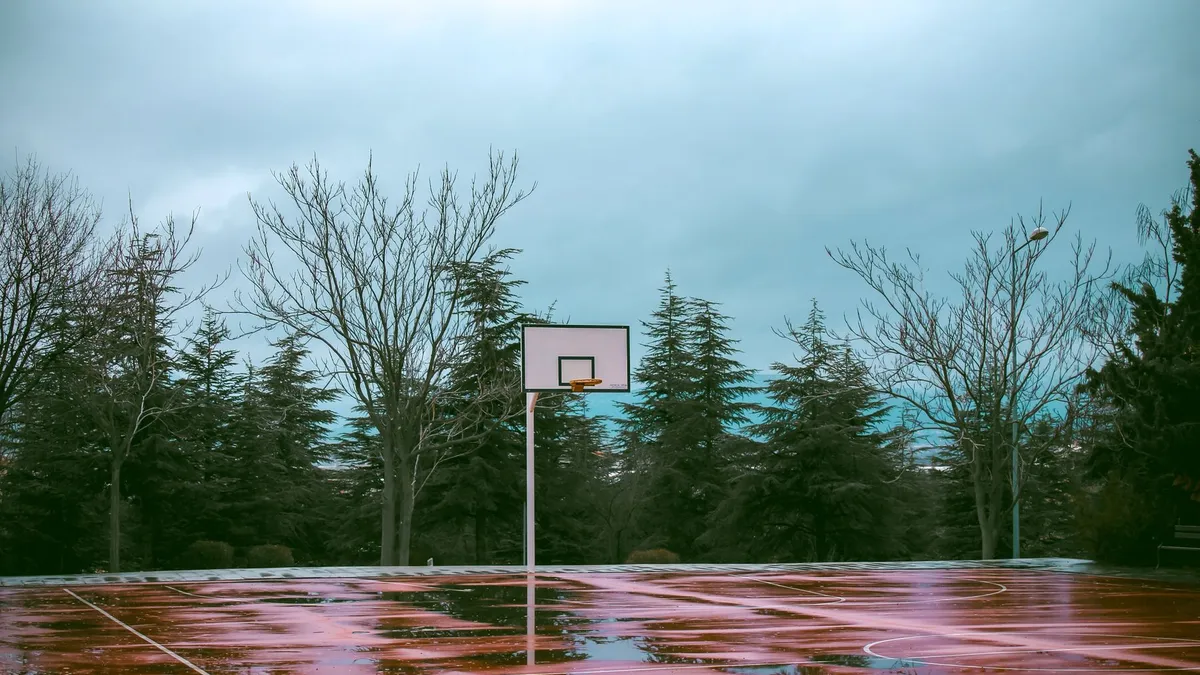
Water standing on an outdoor court stops play and shortens the acrylic surface's life. The fix is not in the coating but in the falls and drainage beneath.
Why ponding is harmful
Standing water blocks play for hours after rain. Constantly wet spots grow algae, wear faster and can suffer frost damage in winter. Ponding is not only an appearance problem; on a wet, algae-covered surface it is a safety problem for any player who slips.
How falls are set
Outdoor courts usually shed water to one side with a gentle single-direction fall, small enough not to affect play but enough to move water. The American Sports Builders Association (ASBA) tennis and pickleball manuals recommend one inch in 10 feet for hard courts, about 0.83%, with a permissible maximum of 1%; more than this bothers players.
The single-plane rule
According to the same manuals, a court slopes in one true plane: side to side, end to end or corner to corner. A surface that is humped or dished in the middle sends water in several directions and leaves small pools. In a bank of courts the fall runs end to end, so water does not flow from one court across the next.
How ponding is defined
ASBA treats as a low spot, or "birdbath", any area where water deeper than 1.58 mm (1/16 inch) remains after drainage has stopped, or after one hour in sunshine at about 21 °C (70 °F) or above. In practice the depth is checked with a coin laid on the surface: if the coin is covered, the spot needs correcting.
Edge drainage
Without a channel or drain along the collecting edge, water flows back onto the court or damages the surroundings. Edge details must be planned with the court. Fence bases, kerbs and footpath levels are set so that they do not block the flow, and the soil and grass along the edge should not hold the water back either.
Flood test before coating
Existing courts are wetted before coating, low spots where water stands are marked and corrected with levelling mortar. Skip this and the problem continues on the new surface. The ASBA article on the subject warns against patching low areas as a DIY job and advises waiting for a professional recommendation; a patch made with the wrong material spoils the coats above it.
What coating does and does not do
Acrylic protects the surface but does not fix falls; those must be corrected in the base. Because the coats are thin, they do not fill a hollow but follow the shape of the surface. We cover weather conditions and steps for resurfacing in renovating an old tennis court, and the layers in how many coats an acrylic court needs.
Porous asphalt courts
Some courts drain water through the surface rather than off it. The Lawn Tennis Association (LTA) guidance for porous asphalt courts recommends a 1:200 fall in a single plane at formation level, at least 150 mm of non-frost-susceptible, free-draining aggregate with a geotextile below, and two layers of asphalt above. The surface course is laid to a tolerance of 8 mm under a 3 m straightedge.
Looking after a porous surface
According to the LTA, a porous surface is kept clean and free of moss and algae: it is swept or vacuumed regularly and power-washed from time to time. The guidance expects repainting about every five years and a new surface layer every 8–10 years, and gives a typical life of 10–12 years, depending among other things on the quality of drainage.
Regular checks
The way to catch drainage problems early is regular inspection, without waiting for a player to slip. A short walk round after rain reveals ponding, blocked drain grates and leaves piling up at the edges. Maintenance steps are on our acrylic surface cleaning page.
When planning a new court
On a new court the direction of fall is decided together with sun orientation, surrounding paths and where the water will go. We discuss planning for residential and school courts in courts in residential complexes and school playground courts, and orientation advice in pickleball courts.
Frequently Asked Questions
Why does water pool on outdoor courts?
Insufficient falls, a surface that is not in one plane, or low spots let water stand instead of draining.
Will resurfacing fix ponding?
No; low spots must be corrected with levelling mortar before coating. Thin coats do not fill a hollow.
Does the fall affect play?
A correctly applied gentle fall is not noticeable in play. ASBA manuals recommend about 0.83% and allow at most 1%; more than this bothers players.
How deep must standing water be before it is corrected?
According to ASBA, any spot holding water deeper than 1.58 mm after drainage stops, or after an hour in warm sunshine, is a low spot and is corrected.
Would you like a site survey for your floor? HBK Epoxy Flooring, based in Gaziantep, offers free surveys and quotations in the surrounding provinces.
0507 597 9537 WhatsAppRelated articles
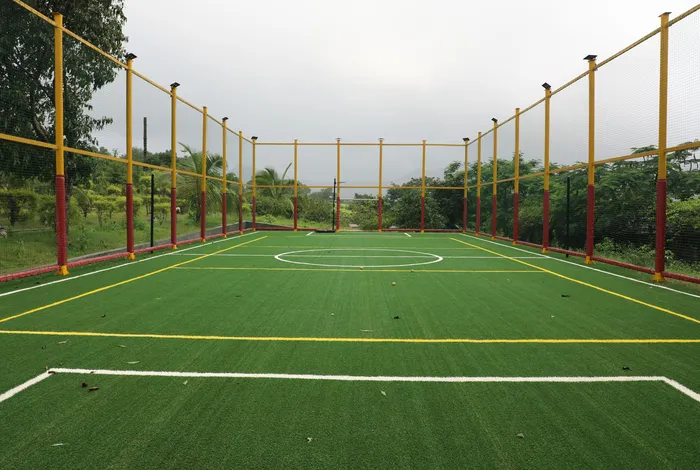
Small-Sided Pitch Sizes: How Big Is a 6+1 or 7+1 Pitch?
The Laws of the Game define no size for 6+1 and 7+1 small-sided pitches. For seven-a-side teams the English FA recommendation of about 55 × 37 m, and for eight-a-side teams the 70 × 50 m used in TFF Istanbul’s U11 league, can serve as references.
Read article ›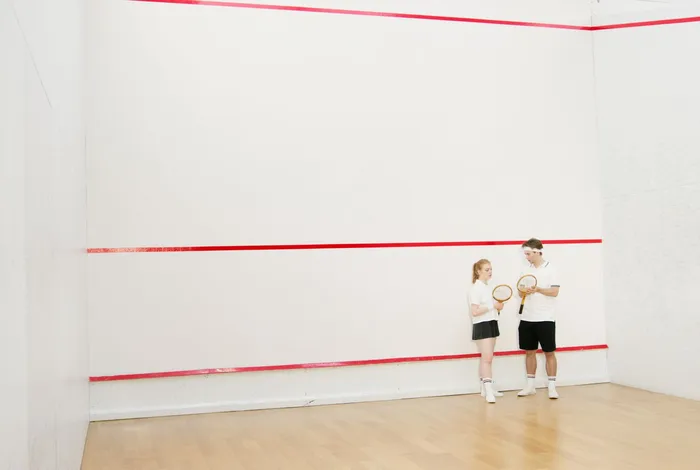
Squash Court Dimensions: Wall Lines and Floor
An international singles squash court is 9.75 m long and 6.40 m wide. The front wall line is at 4.57 m, the service line at 1.78 m and the back wall line at 2.13 m; the top of the tin is 48 cm above the floor.
Read article ›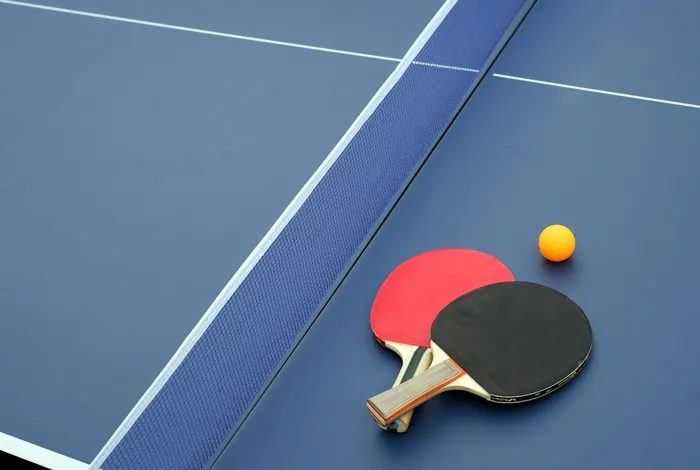
Table Tennis Table Dimensions: Height, Net and Playing Surface
A table tennis table has a playing surface 2.74 m long and 1.525 m wide, 76 cm above the floor. The net stands 15.25 cm above the playing surface. The figures are in chapter 2 of the ITTF Laws.
Read article ›