

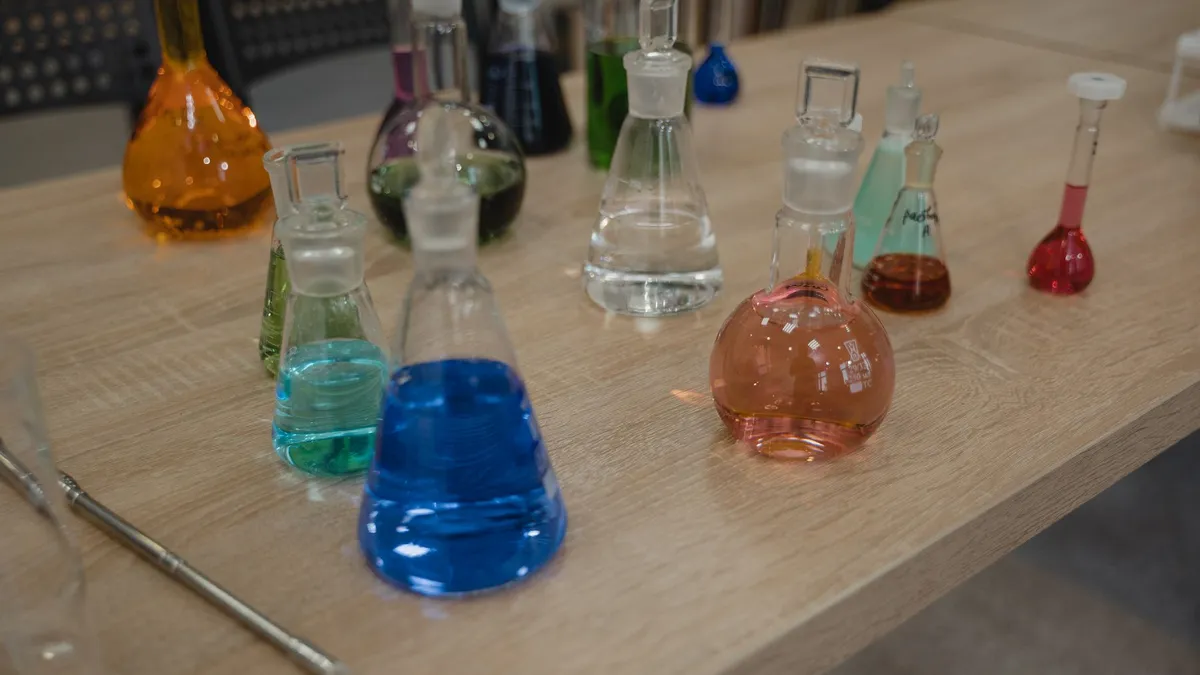
A tick in the chart does not mean resistance in every condition. Results change with concentration, temperature and contact time; reading the chart correctly leads to the right system.
What the chart tells you
Manufacturers publish how a coating behaves against acids, alkalis, solvents, oils and cleaning agents, usually in classes such as resistant, limited and not resistant.
Contact time
A short spill and continuous exposure are very different. A chemical may be tolerated for a few hours but damage the surface if left for days.
Concentration and temperature
A coating resistant to a dilute acid may not resist it concentrated. Hot chemicals increase the effect.
Discolouration
Some chemicals leave a colour mark without damaging the coating. Where appearance matters this is considered separately.
Prepare your own list
Listing the chemicals used on site, their concentrations and contact times and sharing it at quotation stage makes choosing the right system easier.
Frequently Asked Questions
Does a tick in the chart apply in all conditions?
No; it depends on concentration, temperature and contact time.
Should spills be cleaned immediately?
Yes; short contact is far less risky than continuous exposure.
What should be shared at quotation stage?
A list of chemicals used, their concentrations and contact times.
Would you like a site survey for your floor? HBK Epoxy Flooring, based in Gaziantep, offers free surveys and quotations in the surrounding provinces.
0507 597 9537 WhatsAppRelated articles
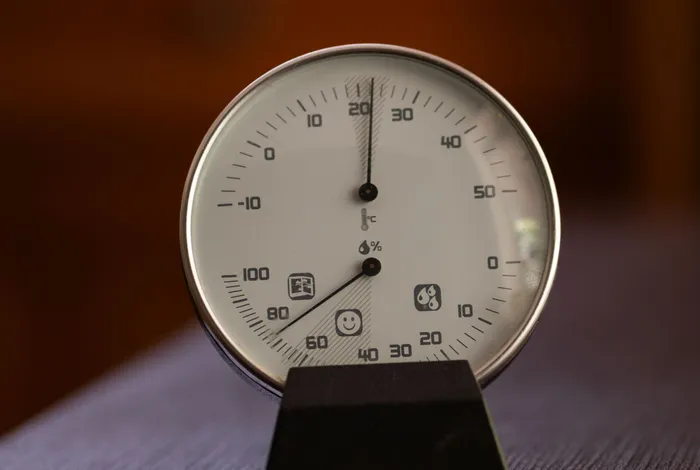
Concrete Moisture Testing: Why and How Before Coating
Concrete can look dry yet hold moisture inside. Under a coating this moisture creates vapour pressure; work started without testing may later blister.
Read article ›
Stains and Scratches on Epoxy Floors: Prevention, Cleaning and Renewal
Epoxy is tough but not scratch-proof. Most stains come out with correct cleaning; deep scratches are removed with a topcoat renewal without removing the floor.
Read article ›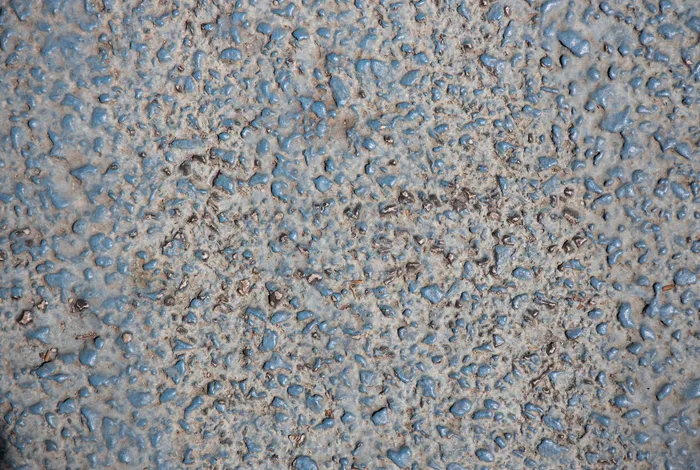
Anti-Slip Epoxy: How to Choose the Right Texture
More texture is not always better: too much makes cleaning harder. The right level depends on how wet and oily the area is.
Read article ›