


Metallic epoxy combines industrial durability with a marble or liquid-metal look; every installation creates a pattern of its own.
Industrial strength, decorative look
Metallic epoxy is an epoxy system with metallic pigments. As the pigments move during application they form marble, wave or liquid-metal patterns. Every floor is unique; the same pattern never forms twice. Underneath, the logic is the same as in industrial epoxy floors: primer, a levelling coat where needed, the pigmented body coat and a protective topcoat. So durability is expected as well as looks; we describe epoxy systems in general on our epoxy floor coating page.
Where is it used?
Car showrooms, shops, office lobbies, restaurants and cafés, and living spaces—anywhere a striking yet seamless, easy-to-clean surface is wanted. We have collected the points to watch for residential use in is epoxy flooring suitable for homes.
The substrate: a glossy surface shows every flaw
A reflective surface shows dips, bumps and joint lines beneath it far more clearly than a matt floor. That is why flatness is checked before a metallic installation and, if needed, a self-levelling correction coat is applied. The substrate must also be dry; the Sikafloor-264 data sheet, for example, requires moisture below 4% by weight (concrete moisture testing). If the floor goes over existing tiles, the joints are filled and the surface levelled so that grout lines do not telegraph through (epoxy over ceramic tiles).
Craftsmanship matters
The pattern comes from the installer's technique. Sample panels and colour trials are the best way to match expectations with the result. Each area should be finished in one continuous pour; where work stops and resumes the next day, a join line may show. That is why sections should end at walls, doors or joints; we explain the reasons in colour variation and uneven sheen. Temperature and humidity also affect how the resin flows, and therefore the pattern.
Gloss and scratches
High-gloss surfaces reflect light beautifully but can show fine scratches. In busy areas a protective topcoat and entrance mats reduce this. Felt pads on chair and furniture legs, and carrying display items rather than dragging them, also protect the surface. A topcoat that has dulled over time can be renewed without touching the pattern (stains and scratches on epoxy floors).
Light and colour
The same pigment looks different under different light. Choose colours under the space's actual lighting. Areas that get sun through shop windows need extra care: the Sikafloor-264 data sheet notes that discolouration and colour variation may occur under direct sunlight. There, a UV-resistant polyurethane topcoat keeps the colour for longer.
Slip resistance
A glossy surface is safe when dry but can become slippery when wet. On rainy days there should be enough matting at the entrance, and a lightly textured topcoat should be considered for areas that may stay wet. See slip resistance ratings for the measures used.
Build sequence and protection
In a shop or showroom fit-out, the decorative floor should be one of the last jobs wherever possible. A floor laid before ceilings, wall painting and electrical work are finished gets damaged by paint drips, scaffold feet and material deliveries. If the floor has to go in earlier, it should be covered with a breathable protective sheet once it has cured, with the joints taped and no heavy loads moved across it. Protective pads go under the feet of display platforms and shelving when they are installed.
Installation steps
- Check the floor: moisture, flatness, cracks and joints.
- Surface preparation and primer; a levelling coat if needed.
- A sample panel for colour and pattern, approved by the client.
- The pigmented body coat applied in one go.
- A protective topcoat, and opening to use in line with the curing time.
Common mistakes
- Expecting an exact copy of the pattern in a photo.
- Choosing the colour under catalogue lighting instead of showroom lighting.
- Laying the floor before other trades have finished and not protecting it from paint, scaffolding and deliveries.
- Leaving the area in front of a sunny shop window without UV protection.
Frequently Asked Questions
Is metallic epoxy durable?
Being epoxy-based it is durable; a protective topcoat and entrance matting are recommended for heavy traffic.
Can I get the same pattern again?
No; each installation creates a unique pattern. A sample panel is the way to agree expectations.
How should the colour be chosen?
By assessing sample panels under the space's actual lighting; areas that get direct sun need separate consideration.
Can metallic epoxy be applied over ceramic tiles?
Over sound, uncracked tiles, yes, once the joints are filled and the surface levelled; otherwise the grout lines show through the glossy finish.
Would you like a site survey for your floor? HBK Epoxy Flooring, based in Gaziantep, offers free surveys and quotations in the surrounding provinces.
0507 597 9537 WhatsAppRelated articles
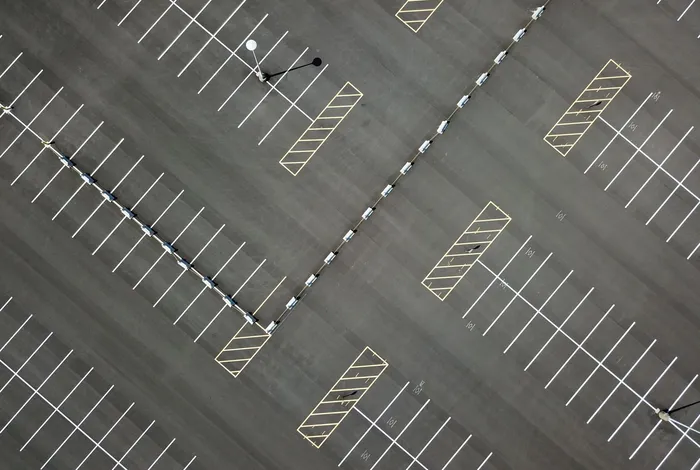
Parking Space Dimensions: Bay Sizes Under Turkey's Car Park Regulation
Turkey's Car Park Regulation sets a minimum of 2.40×4.90 metres for a car parking space and a minimum width of 3.50 metres for an accessible bay. Line layouts are planned with these sizes and the aisle.
Read article ›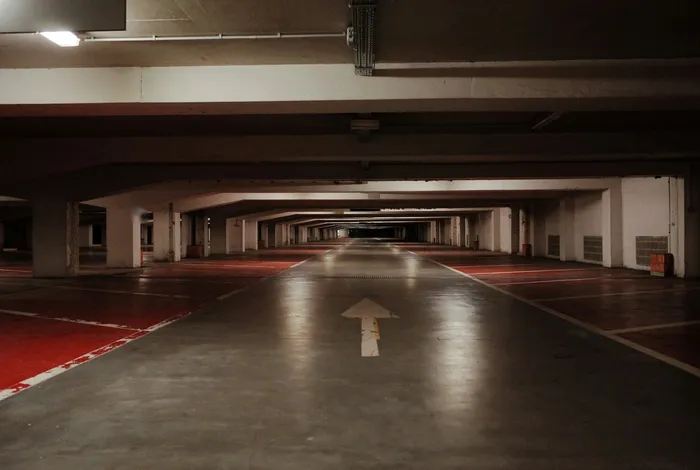
Car Park Floor Coatings: Protection Against Salty Water and Slush in Winter
In winter, cars bring snow, slush and road de-icing salt into car parks. This salty water can penetrate concrete and reach the rebar; the right coating, falls and maintenance protect the deck.
Read article ›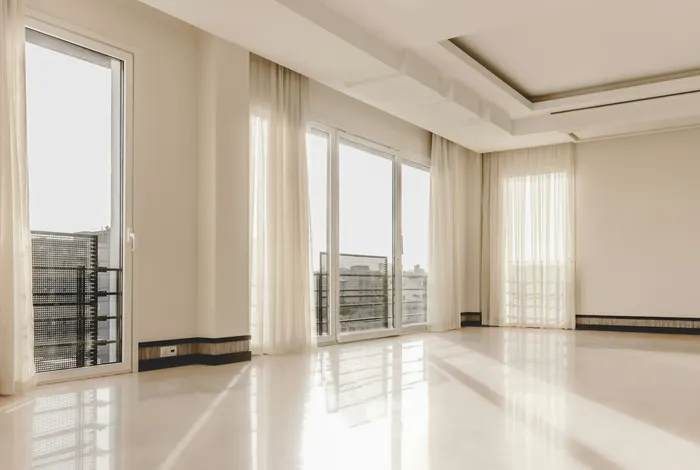
Is Epoxy Flooring Suitable for Homes? Living Room, Kitchen and Bathroom
Epoxy can be used at home too, but a house brings different expectations from a factory. The substrate, grip in wet rooms and sunny windows decide the right choice.
Read article ›