


Epoxy odour is mostly noticed during application and curing. Choosing solvent-free or water-based products and ventilating well greatly reduce smell and discomfort.
Where the smell comes from
Much of the odour comes from the resin and hardener reaction and from solvents in some products. It fades as curing progresses. In solvent-borne products the sharp smell comes largely from evaporating solvent; in solvent-free products the milder smell mostly belongs to the hardener. In short, how strong the smell is depends on the type of product, and how long it lasts depends on the curing speed.
What does "solvent-free" mean?
In data sheets it is expressed as solids content. The Sikafloor-264 data sheet, for example, gives a solids content of about 100% by weight and by volume: almost all of the mix stays on the floor, and practically no solvent evaporates. The same sheet states that the product stays below the 500 g/l limit for volatile organic compounds set for its product category by EU Directive 2004/42. Even so, a solvent-free product is not completely odourless.
Product choice
Solvent-free and water-based systems give off noticeably less odour than solvent-borne ones. This matters in occupied homes and workplaces. Ask for the product data sheet and the safety data sheet at the quotation stage. Some data sheets also list low-emission certificates; the Sikafloor-264 sheet includes compliance with the LEED low-emitting materials credit and an outgassing certificate to ISO 14644-8. You can compare systems on our self-levelling and coating system pages.
Ventilation
The area must be ventilated during application and early curing. Mechanical ventilation can be used in enclosed basements and stores. Airflow comes from opening doors and windows on opposite sides; in rooms with only one outside wall, a fan that blows air outdoors is installed. Cold, damp outside air, however, can bring the floor close to the dew point, so floor temperature and humidity are monitored while ventilating (dew point). Ventilation continues for a few days after the floor becomes walkable.
If heating is needed
In winter, ventilation and heating are often needed together. Data sheets then ask that gas, oil or paraffin heaters not be used: they release large amounts of carbon dioxide and water vapour into the room and can spoil the surface appearance. Electric warm-air heaters are used instead.
Keeping the smell out of the rest of the building
In an office, a school or a building where production continues, the smell should not spread to other areas. The doors of the work area are kept closed and gaps are sealed with sheeting; if an air-handling return intake is in this area, it is closed during the work and exhaust air is sent outdoors. We describe section-by-section planning in phased installation.
For occupants
Sensitive people, children and pets should stay away during the work, and food should not be kept in the area. The installer wears protective gloves and goggles and follows the measures in the safety data sheet. For daily life at home during an installation, see epoxy flooring in homes.
When does it fade?
Depending on product, temperature and ventilation, the smell usually drops noticeably within a few days. Because the smell fades as the coating cures, temperature has the biggest say. In the example data sheet the floor can be walked on after about 24 hours and is fully cured after about 7 days at +20 °C; at +10 °C these stretch to 72 hours and 10 days. That is why the smell lingers longer in a cold garage than in a warm living room (home garage epoxy).
If the smell lasts too long
If a strong smell is still there well beyond the expected time and the surface feels tacky, the coating may not have cured fully. Possible causes are a wrong mixing ratio, insufficient mixing or temperatures below the data sheet limits; with Sikafloor-264, for instance, the components are mixed 79:21 by weight with a low-speed mixer for 3 minutes. In that case tell the installer and do not cover the surface. What to watch in the first weeks is covered in the first 30 days after coating.
Frequently Asked Questions
Is epoxy odour harmful?
Ventilation and protective measures are needed during application, following the warnings in the product's safety data sheet. The smell fades as it cures.
Is there odourless epoxy?
Solvent-free and water-based systems give off much less odour.
How long does the smell last?
Usually it fades within a few days, depending on product, temperature and ventilation; it lasts longer in the cold because curing slows.
Is solvent-free epoxy completely odourless?
No. There is no evaporating solvent smell, but a mild smell from the resin and hardener is noticeable during application and early curing, fading as the floor hardens.
Would you like a site survey for your floor? HBK Epoxy Flooring, based in Gaziantep, offers free surveys and quotations in the surrounding provinces.
0507 597 9537 WhatsAppRelated articles
What Is an Epoxy Primer? Why It Is Used and How It Is Applied
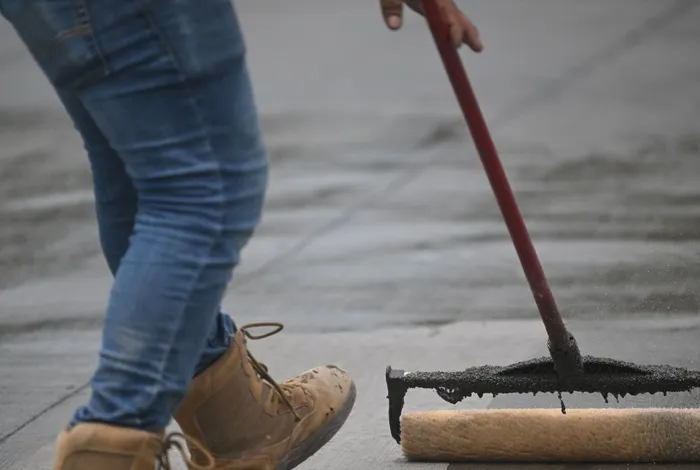
The primer is the first coat that bonds an epoxy coating to concrete. It seals the pores, binds fine surface dust and helps the following coats sit on a sound base.
Read article ›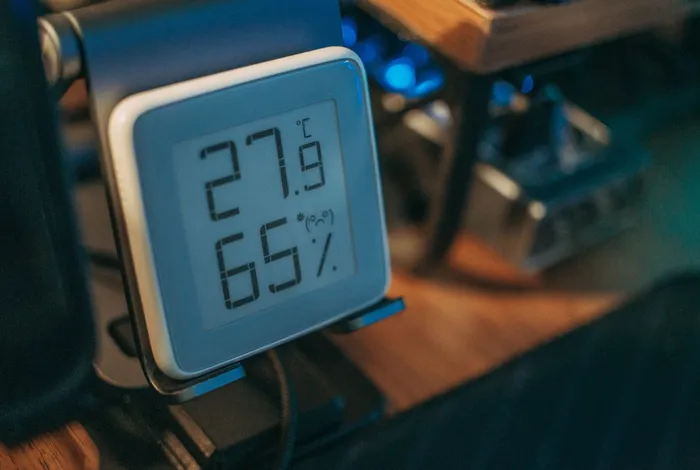
How to Calculate the Dew Point: The 3 °C Rule for Floor Coatings
If the floor temperature approaches the dew point, an invisible film of water forms on the new coating. Measuring temperature and humidity tells you the risk in minutes.
Read article ›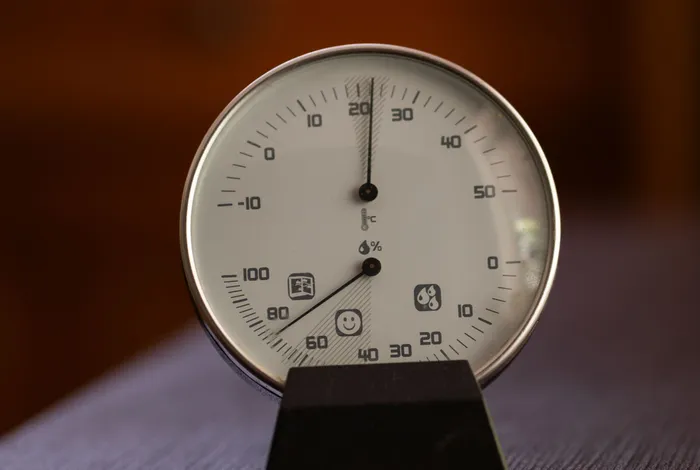
Concrete Moisture Testing: Why and How Before Coating
Concrete can look dry yet hold moisture inside. Under a coating this moisture creates vapour pressure; work started without testing may later blister.
Read article ›