


A drop of acid can leave a permanent mark on the wrong floor. The right system is a sealed, seamless surface chosen for the chemicals actually used.
Spills are inevitable
In laboratories, spills of acids, alkalis, solvents and dyes are part of daily work. The floor must not absorb them or lose its colour and surface.
Start with the chemical list
Choosing the right floor starts with a list of the chemicals used. System resistance charts are compared with this list; strong acids and some solvents may require special systems.
Seamless surface and coved corners
A seamless surface and coved skirting stop spills escaping into joints and corners, and make cleaning easier.
Static electricity
Where sensitive instruments and flammable vapours are present, an antistatic (ESD) floor is considered.
Colour choice
Light, neutral colours make spills easier to spot, so they can be cleaned quickly.
Frequently Asked Questions
Which chemicals can a lab floor resist?
It depends on the system; compare your chemical list with the resistance chart.
Are jointed floors a problem in labs?
Joints trap liquids and dirt; seamless surfaces are preferred.
Is an antistatic floor necessary?
It is considered in labs with sensitive instruments and flammable vapours.
Would you like a site survey for your floor? HBK Epoxy Flooring, based in Gaziantep, offers free surveys and quotations in the surrounding provinces.
0507 597 9537 WhatsAppRelated articles
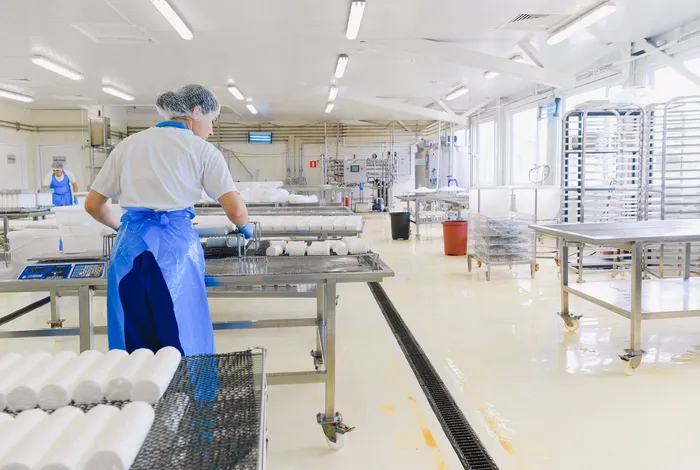
Flooring for Food Production Plants: Hygiene Requirements
In a food plant the floor is part of the production line: a seamless, easy-to-clean surface that resists chemicals and hot water is the basis of hygiene.
Read article ›
Flooring for Pharmaceutical and Cosmetics Production: Cleanroom Needs
In a cleanroom the floor must neither shed nor hold dust; it must withstand disinfectants and, where needed, control static electricity.
Read article ›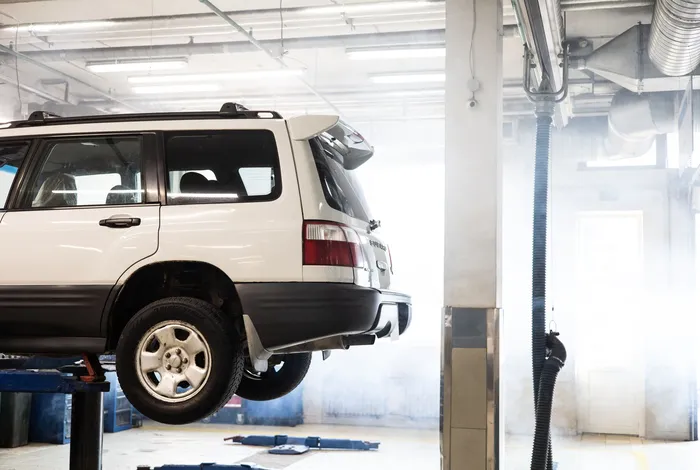
Flooring for Auto Service and Car Wash Areas: Oil, Chemicals and Water
In a workshop the floor must resist oil, hydraulic fluids, detergents and jack loads all at once, and must not be slippery when wet.
Read article ›