

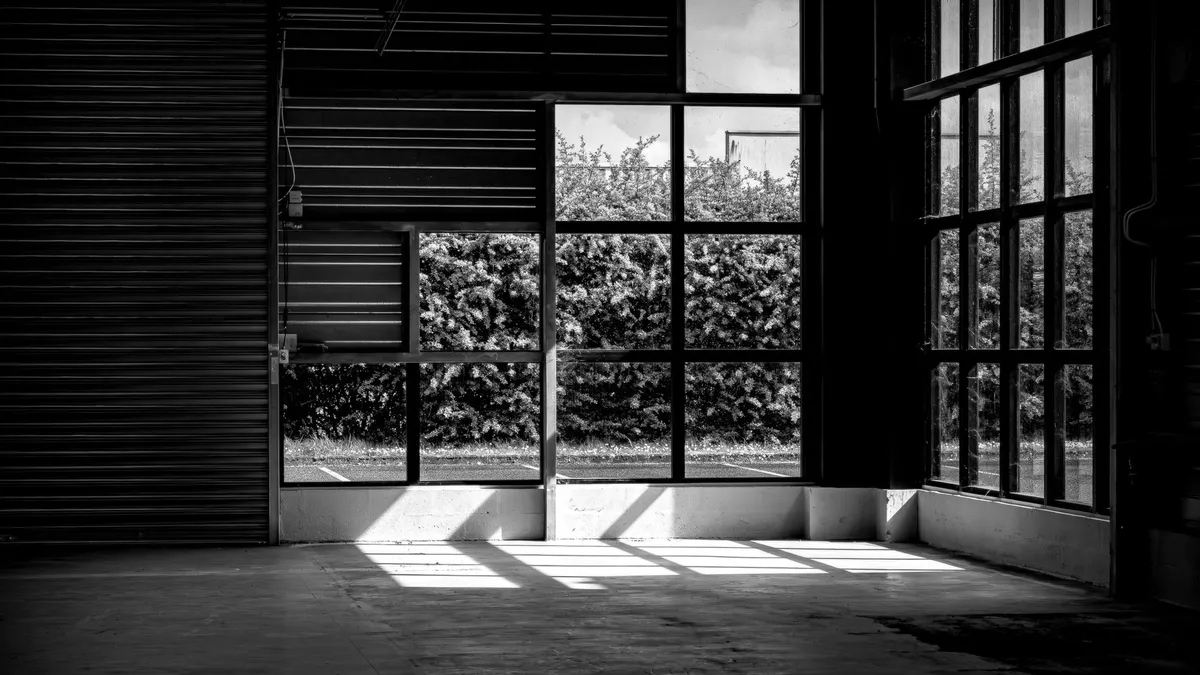
Epoxy needs not only the right product but the right conditions. Application in very hot, cold or humid conditions can leave surface defects.
Why temperature matters
Epoxy hardens by chemical reaction. Higher temperatures speed it up, lower ones slow it down. Both air and floor temperature count.
Summer conditions
In heat the pot life shortens and roller marks and bubbles can remain. Working in cooler hours and mixing small batches helps.
Winter conditions
In cold, curing slows and the time before use lengthens. Unheated areas may need temporary heating.
Humidity and dew point
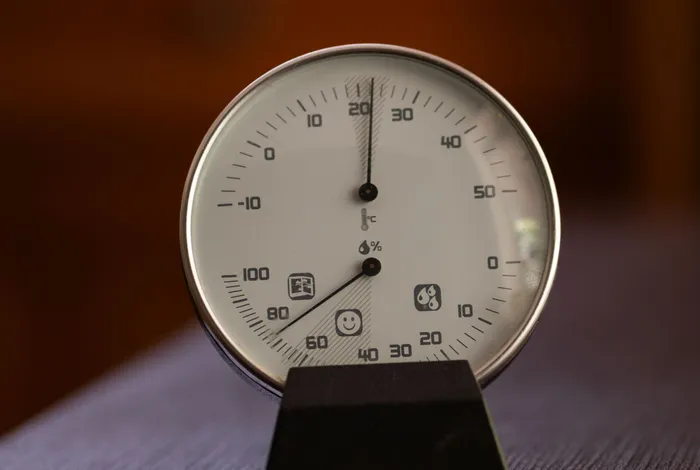
If the floor is close to the dew point, condensation forms and can cause blush and a tacky surface. Humidity and floor temperature should be measured before starting.
Planning
For open or semi-open areas, the work day is chosen with the weather forecast in mind.
Frequently Asked Questions
Can epoxy be applied in cold weather?
Yes, but curing slows; temporary heating may be needed.
What goes wrong in summer?
The mix cures fast, raising the risk of roller marks and bubbles.
Why does dew point matter?
Near the dew point condensation forms and the coating can blush.
Would you like a site survey for your floor? HBK Epoxy Flooring, based in Gaziantep, offers free surveys and quotations in the surrounding provinces.
0507 597 9537 WhatsAppRelated articles
Concrete Moisture Testing: Why and How Before Coating
Concrete can look dry yet hold moisture inside. Under a coating this moisture creates vapour pressure; work started without testing may later blister.
Read article ›
Stains and Scratches on Epoxy Floors: Prevention, Cleaning and Renewal
Epoxy is tough but not scratch-proof. Most stains come out with correct cleaning; deep scratches are removed with a topcoat renewal without removing the floor.
Read article ›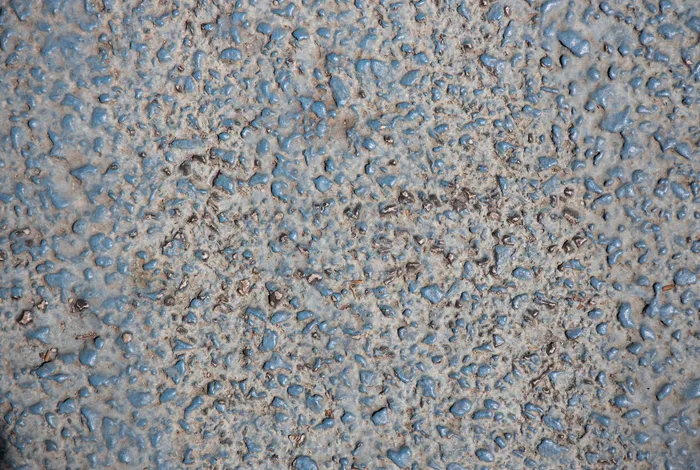
Anti-Slip Epoxy: How to Choose the Right Texture
More texture is not always better: too much makes cleaning harder. The right level depends on how wet and oily the area is.
Read article ›