

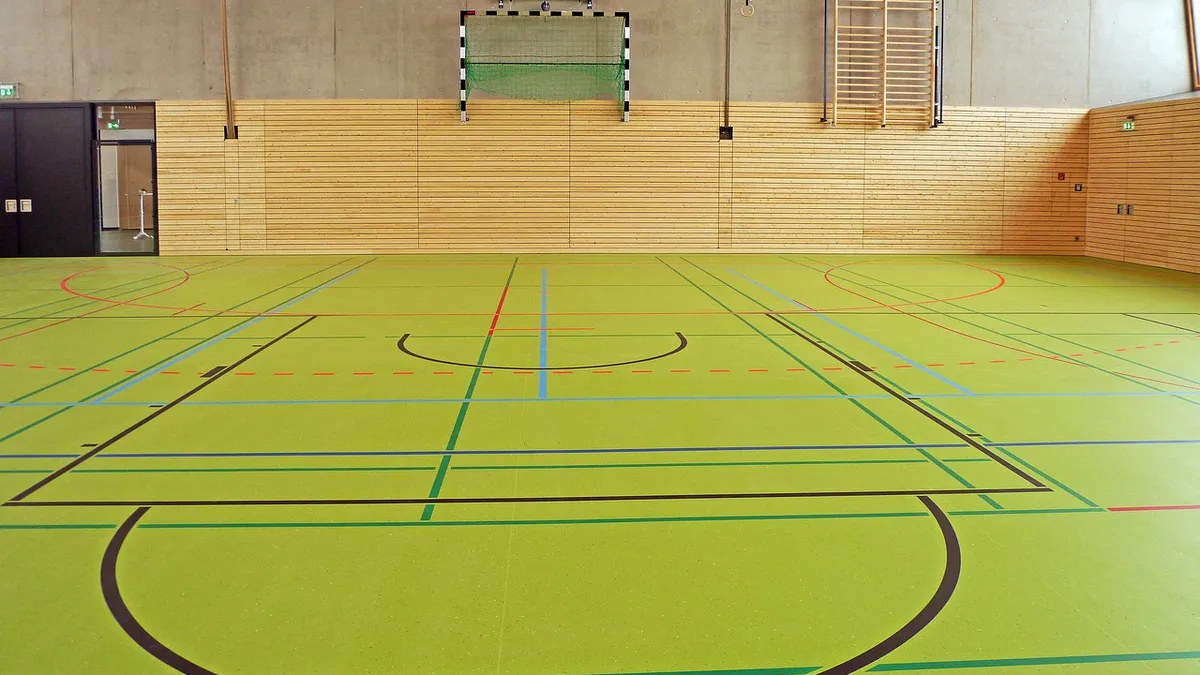
An indoor hall floor must protect athletes' joints, keep a true ball bounce and be easy to clean. Polyurethane sports floors and timber meet these needs in different ways.
What a hall floor must do
An indoor floor must absorb impact during running and jumping, keep ball bounce consistent, provide suitable friction and be easy to clean. These expectations are not just a matter of feel; they can be measured. For indoor multi-sports areas, EN 14904 defines properties such as shock absorption, vertical deformation, slip resistance and ball rebound, and sets out the test methods. Asking for the test report of the proposed system to this standard at quotation stage is the most reliable way to compare different products on the same scale.
Point-elastic and area-elastic
Sports floors get their flexibility in two ways. In point-elastic systems only the spot under the foot deflects; most polyurethane sports floors are in this group and give good feedback in sports with fast changes of direction such as basketball, volleyball and handball. In area-elastic systems the load spreads over a wider zone; timber on a battened or sprung subframe is an example, preferred especially where falls and jumps are frequent. Combined systems that join the two also exist.
Polyurethane sports floors
Poured polyurethane layers over an elastic base. Seamless, unaffected by moisture, easy to clean, with lines sealed into the surface. Only the top layer wears over time, and renewing it keeps the floor in service for a long time. You will find other options used in indoor halls on our types of sports flooring and polyurethane floor coating pages.
Timber floors
Chosen for their classic look and feel. Sensitive to humidity and temperature changes; they need periodic sanding and lacquering. In a hall left closed and unventilated over the summer holidays timber can swell, and in dry winter air its joints can open; so if timber is chosen, the hall's climate control must be part of the plan.
Concrete base and moisture
Both systems need dry, flat and sound concrete. A polyurethane system can suffer adhesion problems from moisture rising from below, while timber absorbs moisture directly and changes shape. In a new building the decision is based on measurement, not the calendar (concrete moisture testing). Flatness matters too: uneven concrete causes local differences in ball bounce.
Lines and sports
If several sports will be played in the hall, a colour plan for the lines is drawn up from the start; otherwise basketball, volleyball and futsal lines become confusing. We have collected our suggestions in lines on multi-sport courts and basketball court dimensions.
Multi-purpose use
If the hall also hosts concerts, ceremonies or exams, protecting the floor against chairs and stage loads should be planned. Covers suitable for sports floors are laid, wide feet are fitted to chair legs and stage legs stand on load-spreading plates. After an event the floor should be cleaned before it is used for sport again; sand and dust trapped under the covers wear the surface.
Maintenance
A polyurethane floor is swept regularly and wiped with the cleaner recommended by the manufacturer, and the topcoat is renewed every few years. Timber is cleaned in a similar way but must not be soaked with water; when wear shows it is sanded and relacquered. On both floors, limiting entry to sports shoes and placing mats at the entrance extend service life.
Common mistakes
- Comparing systems by catalogue photos instead of test reports.
- Ordering the floor without measuring the moisture of the concrete.
- Leaving the line colour plan until after installation.
- Leaving the floor unprotected on event days.
Deciding
The choice weighs sport, intensity of use, budget, climate control and maintenance resources together. In school and municipal halls, which are used heavily and for many purposes and often have limited climate control, polyurethane systems may come out ahead; in a professional club hall with controlled climate and a maintenance team, timber may. For fitness areas, see also our article on gym and fitness flooring.
Frequently Asked Questions
Polyurethane or timber for a sports hall?
Polyurethane is seamless and unaffected by moisture; timber has a classic feel but needs more care and climate control. The choice depends on the sport, intensity of use and maintenance resources.
Does a polyurethane sports floor absorb impact?
Yes, thanks to its elastic base layer. The values are measured in tests to EN 14904, and the report can be requested at quotation stage.
Can the hall be used for events?
Yes; the floor should be protected against chairs and stage loads with covers, wide chair feet and load-spreading plates.
What do point-elastic and area-elastic mean?
On a point-elastic floor only the spot under the foot deflects, as with most polyurethane sports floors; on an area-elastic floor the load spreads over a wider area, as with timber on battens.
Would you like a site survey for your floor? HBK Epoxy Flooring, based in Gaziantep, offers free surveys and quotations in the surrounding provinces.
0507 597 9537 WhatsAppRelated articles
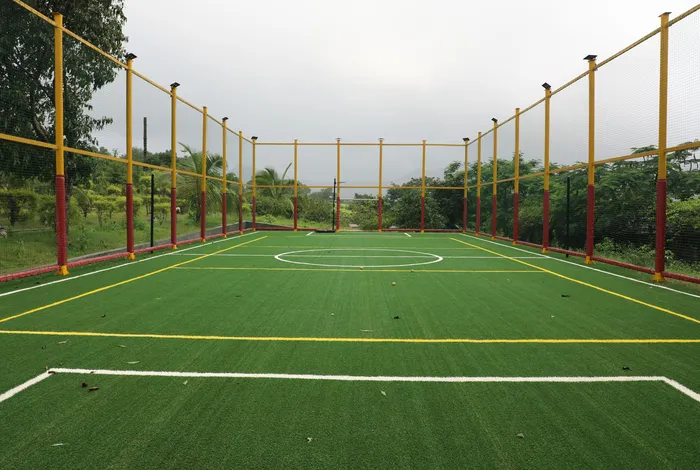
Small-Sided Pitch Sizes: How Big Is a 6+1 or 7+1 Pitch?
The Laws of the Game define no size for 6+1 and 7+1 small-sided pitches. For seven-a-side teams the English FA recommendation of about 55 × 37 m, and for eight-a-side teams the 70 × 50 m used in TFF Istanbul’s U11 league, can serve as references.
Read article ›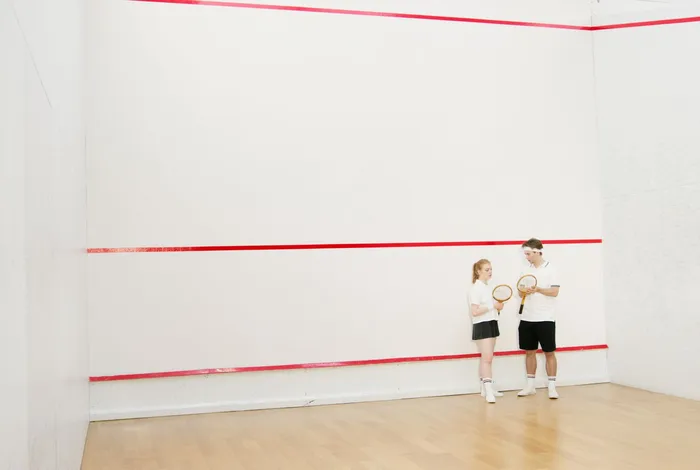
Squash Court Dimensions: Wall Lines and Floor
An international singles squash court is 9.75 m long and 6.40 m wide. The front wall line is at 4.57 m, the service line at 1.78 m and the back wall line at 2.13 m; the top of the tin is 48 cm above the floor.
Read article ›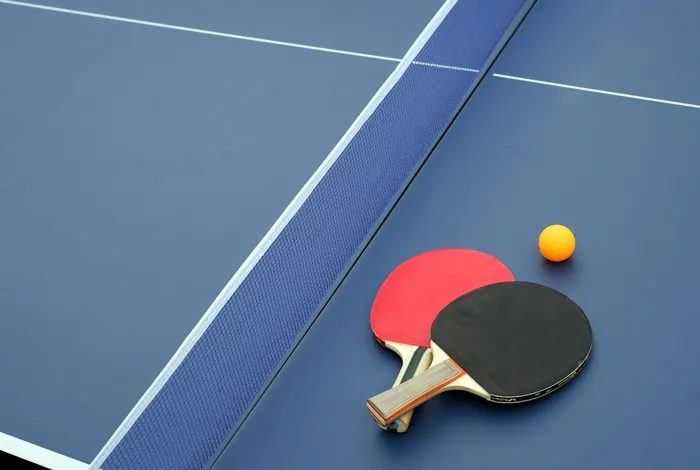
Table Tennis Table Dimensions: Height, Net and Playing Surface
A table tennis table has a playing surface 2.74 m long and 1.525 m wide, 76 cm above the floor. The net stands 15.25 cm above the playing surface. The figures are in chapter 2 of the ITTF Laws.
Read article ›