

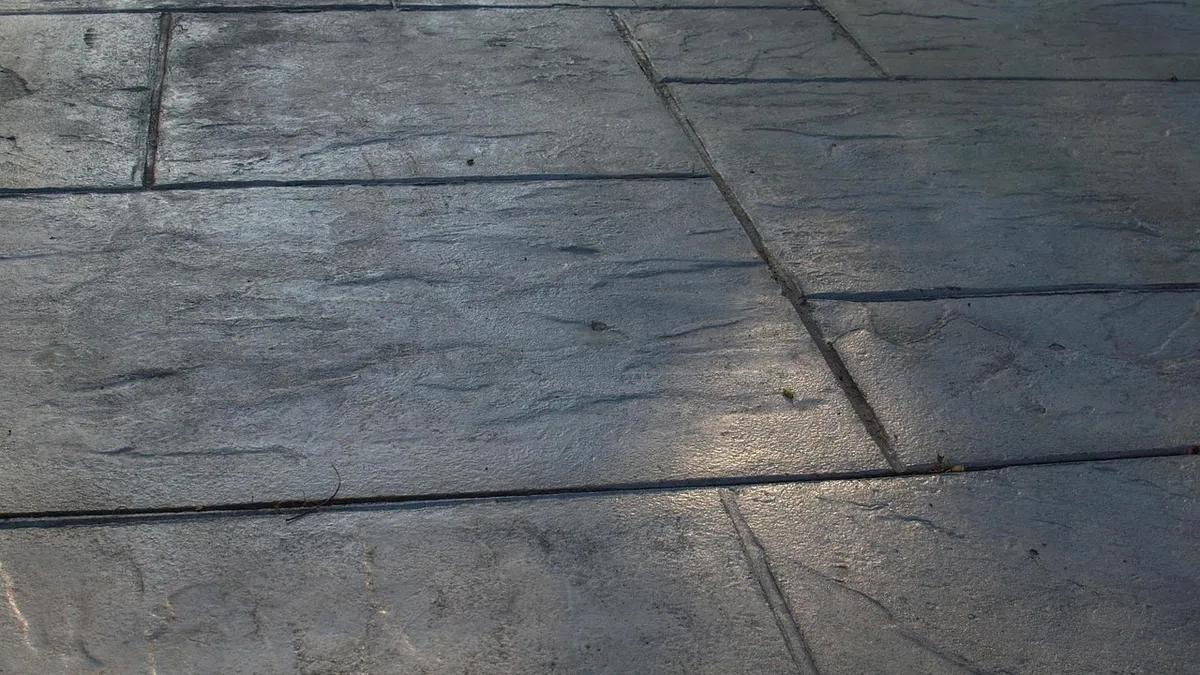
Much of stamped concrete's vivid colour depends on its protective sealer. When the sealer wears, colour fades; resealing refreshes the look without replacing the floor.
Why the sealer matters
The protective sealer deepens stamped concrete's colour and keeps water and stains on the surface. As it wears, the concrete absorbs water and the colour dulls. Sun, rain, frost and foot traffic gradually thin the sealer film; resealing restores both the look and the protection without replacing the floor. How stamped concrete is made is described on our stamped concrete flooring page, and pattern choice in stamped concrete patterns and colours.
Signs it needs resealing
Faded colour, water soaking in instead of beading, patchy whitening and algae all indicate it is time. Our comparison stone carpet or stamped concrete also summarises what each option needs in the long run.
The water drop test
One manufacturer's instructions suggest pouring half a cup to a cup of water onto the surface: if it beads, the sealer is still there and refreshing the gloss may be enough; if it soaks in quickly and darkens the concrete, the sealer is used up. On dark colours this is hard to judge, so the same instructions suggest a few drops of vinegar; if it foams, there is not enough sealer on the surface.
What is whitening?
Whitening is the milky, cloudy look that forms between coats of sealer. One manufacturer's data sheet stresses that it should not be confused with salt deposits coming out of the concrete (efflorescence), and states that no rejuvenating product solves an underlying moisture problem. If the slab is constantly damp, the source of the moisture is dealt with before any sealing work.
Reviving old sealer with solvent
If the old sealer is a solvent-based acrylic, whitening, small bubbles and bare spots can often be repaired without stripping. According to one manufacturer's instructions, xylene is rolled on generously; the solvent re-dissolves the old film and lets it reflow. The method does not suit water-based or alkyd sealers. Solvents are flammable, so personal protective equipment is worn and ignition sources are kept away.
When to strip the sealer
Solvent treatment does not rescue every case. If whitening or bubbles remain after the xylene application, the instructions call for chemically stripping the sealer and applying a new acrylic sealer. Sealer that has aged and turned brittle, has badly delaminated or has little resin left cannot be revived either.
Cleaning
New sealer goes onto a dry surface cleaned of dirt, algae and loose old sealer. The instructions recommend washing with water at roughly 100–170 bar, or scrubbing with soapy water and a brush, then rinsing thoroughly. Cleaners that leave a residue can spoil the adhesion of the new coat. The surface must dry fully after cleaning.
Choosing a compatible sealer
For outdoors, a UV-resistant sealer is preferred. The new sealer must be compatible with the old one; if the type of the existing sealer is unknown, a small test area comes first. Penetrating impregnation products that soak into the concrete without forming a film are another option; the difference is explained in concrete penetrating sealers.
Weather and time of day
Apply in dry weather on a day with no rain forecast. One manufacturer's instructions ask for surface and air temperatures of at least about 16 °C, at least about 3 °C above the dew point, and no rain expected within 12 hours. Because direct sun can cause bubbling, the cool of the morning or late afternoon is preferred (dew point calculation).
Thin coats, controlled amounts
Extra sealer does not improve the look; according to the instructions it can even cause unintended damage. Sealer pooling in the recesses of the pattern and in joints is spread out or picked up with a brush or sponge, and back-rolling collects excess material. If a second coat is needed, the waiting time in the data sheet is followed; in the example instructions it is 24 hours.
Slippery when wet
Glossy sealer can be slippery when wet; an anti-slip additive can be used on walkways and pool surrounds. The surface can also become very slippery during solvent treatment, so work is done in small sections without stepping on wet product. For classification see slip resistance ratings, and for pool edges pool deck surfaces.
Frequently Asked Questions
When should stamped concrete be resealed?
When colour fades and water soaks in instead of beading.
Must the floor be removed to reseal?
No; cleaning and a new coat of sealer are enough. Only brittle or delaminated old sealer is removed first.
Is sealed stamped concrete slippery?
It can be when wet; an anti-slip additive can be added.
How is whitening on stamped concrete removed?
If the old sealer is a solvent-based acrylic, one manufacturer's instructions use a roller application of xylene to re-dissolve the film; if whitening persists, the sealer is chemically stripped and a new one applied. Any underlying moisture problem is fixed first.
Would you like a site survey for your floor? HBK Epoxy Flooring, based in Gaziantep, offers free surveys and quotations in the surrounding provinces.
0507 597 9537 WhatsAppRelated articles
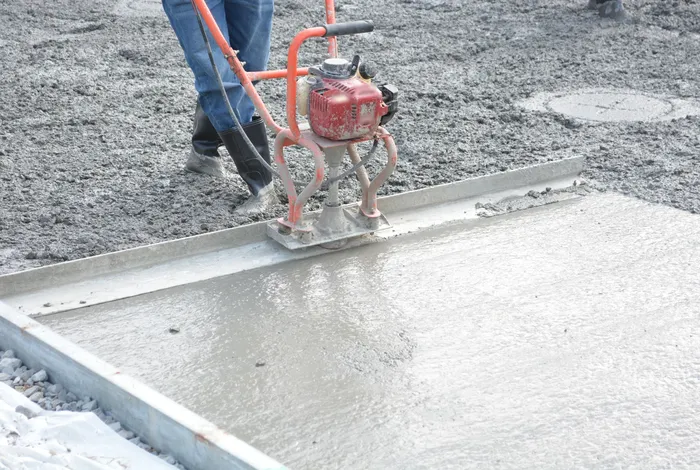
Screed vs Concrete: What Is the Difference and Where Is Each Used?
Concrete is a load-bearing building material; screed is a layer that levels the surface that will receive a floor finish. Their mixes, their roles and the checks needed before coating are different.
Read article ›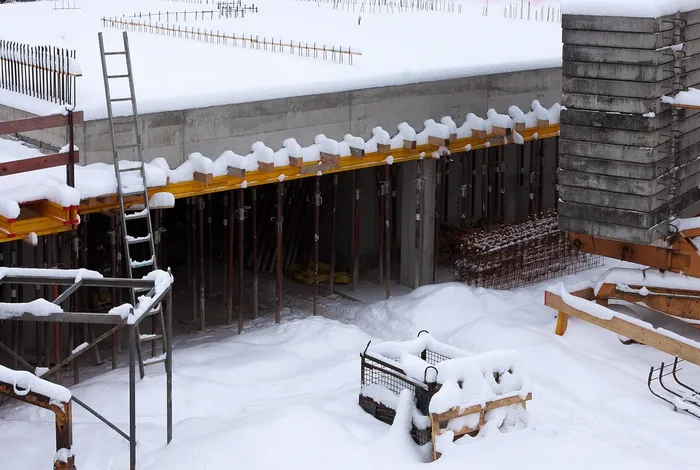
Pouring Concrete in Cold Weather: What Temperature, and How to Protect It
Concrete can be poured in winter; what matters is not the air but the temperature of the concrete and keeping it from freezing until it gains strength. TS 1248 sets the rules.
Read article ›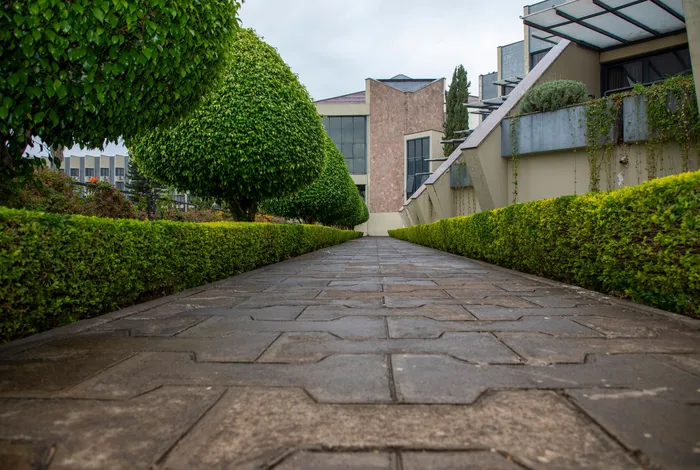
Choosing Stamped Concrete Patterns and Colours
Two things define how stamped concrete looks: the stamp pattern and the colour. The right choice depends on use, architecture and surrounding materials.
Read article ›