

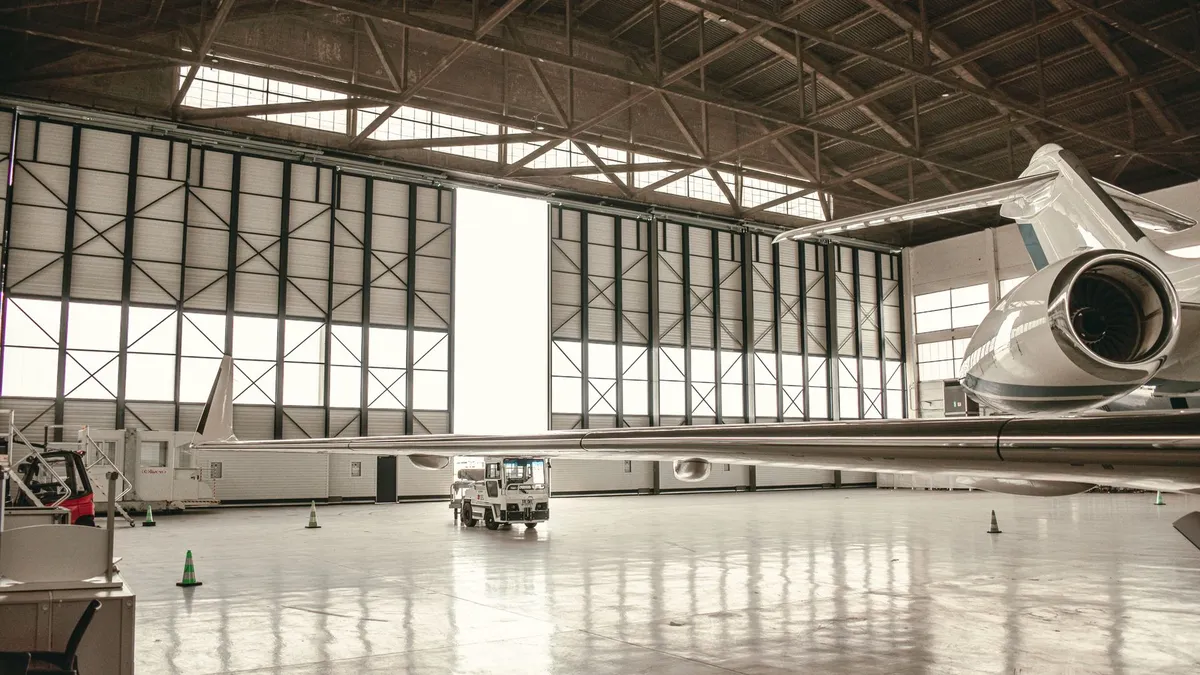
In a heavy-vehicle workshop the floor must bear tracked and wheeled loads, dropped tools and fuel. This calls for a high-strength system, not a thin coating.
Loads and impact
In plant, truck and bus workshops the floor faces high axle loads and point loads such as jack stands. A dropped heavy tool can also cause impact damage. Instead of a thin coating, thick high-strength systems are preferred in these areas.
The concrete comes first
A coating cannot be stronger than the concrete beneath it. The Sikafloor-264 and Sikafloor-161 data sheets require at least 25 N/mm² compressive strength and 1.5 N/mm² surface pull-off strength from the substrate. Broken, pitted or dusting concrete is repaired first; the method is explained in renovating damaged concrete floors.
Epoxy mortar and similar systems
Thick, aggregate-filled epoxy mortar systems provide high resistance to impact and abrasion. The choice depends on the loads the floor carries and the intensity of use. The data sheet figures show the difference: filled with sand, Sikafloor-264 reaches a compressive strength of about 53 N/mm² at 28 days, and the same sheet lists maintenance workshops and maintenance hangars among the product's uses. System options are on our epoxy mortar flooring page.
Jacks, stands and point loads
Vehicle stands, jack feet and lift base plates concentrate the load on a small area. Load-spreading steel or hard plastic plates go under these points, and lift anchors are planned before coating. The effect of point loads on coatings is explained in heavy machinery on epoxy.
Oil and fuel
Diesel, hydraulic oil and grease are common in heavy-vehicle maintenance. A sealed coating stops these fluids soaking into concrete and makes cleaning easier. It is not enough for the resistance chart simply to say "oil"; the fluids actually used on site, such as diesel, petrol, hydraulic oil, brake fluid and coolant, are looked up one by one. Hangars may also hold special fluids such as aircraft hydraulic fluid; if a fluid is not in the chart, separate approval is obtained from the manufacturer (how to read a chemical resistance chart).
Welding, grinding and hot parts
Weld spatter, grinding sparks and hot exhaust parts can leave burn marks on a resin surface. Data sheets give clear heat limits: in a sand-broadcast system of about 3–4 mm, Sikafloor-264 withstands dry heat of +50 °C continuously, +80 °C for up to 7 days and +100 °C for up to 12 hours. Where welding is done, the floor is protected with a fire-resistant blanket or steel sheet.
Inspection pits and door aprons
The edges of inspection pits take more impact and load than anywhere else; they are protected with steel angles, and the coating is carried down onto the pit walls. Oil and water collect at the bottom of the pit, so an easy-to-clean, slip-resistant finish is chosen there. The strip in front of large doors gets wettest from rain, mud and, in winter, meltwater, so slip resistance is increased in that zone.
Wash bays and drainage
In a vehicle wash bay, water, detergent and mud arrive together, so falls, channels and slip resistance are planned together. Details are in auto service and car wash flooring.
Planning large areas
Hangars and large workshops cover big areas; coating can be planned in sections so that work continues. Sections are coated in an order that does not block vehicle access or emergency routes (phased installation).
Marking
Vehicle bays, walkways and hazard zones marked with floor lines improve safety. For line types and what the colours mean, see our forklift aisle marking, safety line marking and warehouse line marking colours pages.
Grit, swarf and cleaning
Sand and metal swarf carried in on tyres act like sandpaper and wear the surface. Regular sweeping and machine scrubbing are the simplest way to extend the life of the coating.
Frequently Asked Questions
Is thin epoxy enough for a heavy-vehicle workshop?
No; high loads and impact call for thick, aggregate-filled systems.
Does a hangar floor resist fuel?
With the right system the surface is sealed against fuel and oils; check the resistance chart.
Can the workshop stay open during coating?
In large areas the work can be phased so operations continue.
Can welding sparks damage a workshop floor?
Yes; weld spatter and hot parts leave burn marks on a resin surface. Where welding is done, the floor is protected with a fire-resistant blanket or steel sheet.
Would you like a site survey for your floor? HBK Epoxy Flooring, based in Gaziantep, offers free surveys and quotations in the surrounding provinces.
0507 597 9537 WhatsAppRelated articles

Parking Space Dimensions: Bay Sizes Under Turkey's Car Park Regulation
Turkey's Car Park Regulation sets a minimum of 2.40×4.90 metres for a car parking space and a minimum width of 3.50 metres for an accessible bay. Line layouts are planned with these sizes and the aisle.
Read article ›
Car Park Floor Coatings: Protection Against Salty Water and Slush in Winter
In winter, cars bring snow, slush and road de-icing salt into car parks. This salty water can penetrate concrete and reach the rebar; the right coating, falls and maintenance protect the deck.
Read article ›
Is Epoxy Flooring Suitable for Homes? Living Room, Kitchen and Bathroom
Epoxy can be used at home too, but a house brings different expectations from a factory. The substrate, grip in wet rooms and sunny windows decide the right choice.
Read article ›