

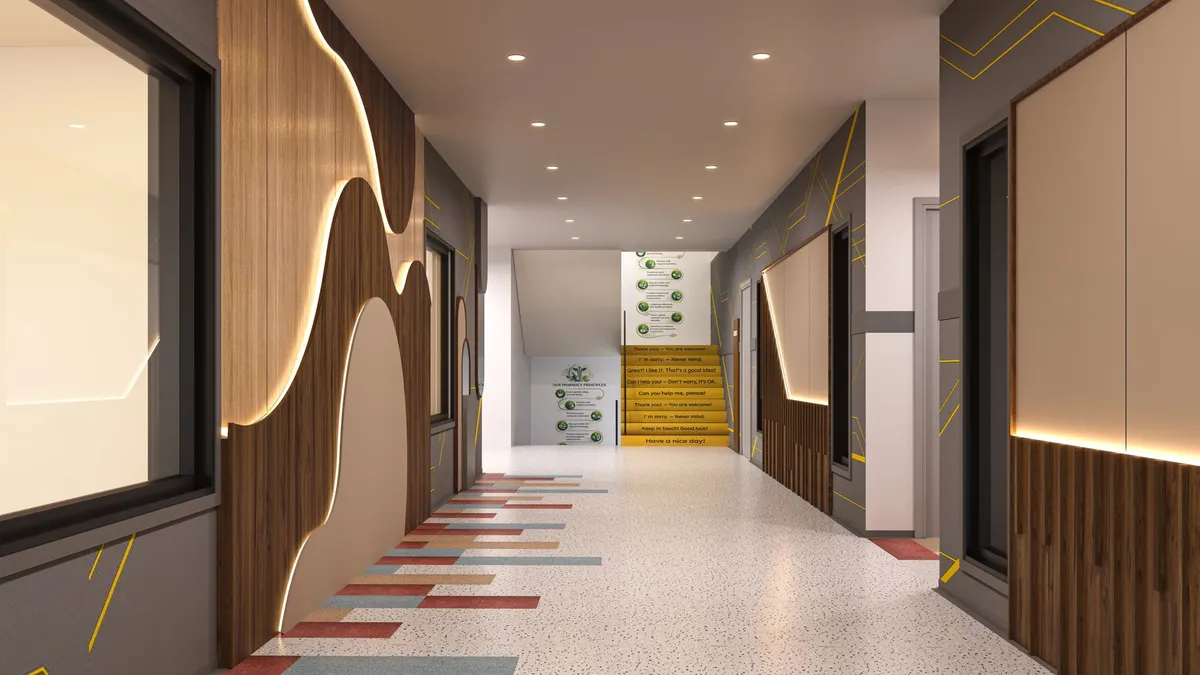
At school the floor must withstand crowded corridor traffic and clean easily; in nurseries it should also be softer against falls.
Heavy, irregular traffic
School corridors face bursts of heavy traffic throughout the day; when the bell rings, hundreds of pupils move at once. The floor must resist this wear and be easy to repair. Chairs and desk legs scraping across the floor are another constant source of wear in classrooms, and felt or plastic glides protect the surface.
Slip resistance zone by zone
Rainwater carried in from outside and drinks spilled in the canteen raise the risk of slipping. The table in ASR A1.5, the German workplace rule for floors, has separate rows for schools and nurseries: entrances, corridors, break halls, classrooms and stairs R9; toilets and washrooms R10; school yards R11 (or R10 V4). What the classes mean is explained in slip resistance ratings.
Entrances and matting
Most of the wet and grit comes in on shoes through the entrance. The same rule also points to dirt- and moisture-trapping mats in areas entered directly from outside. Matting is planned flush with the floor and clear of the door leaf, and recessed mat wells are prepared before the coating goes down. Cleaning the mats regularly matters as much as the mats themselves.
Canteen and kitchen
According to the table, kitchens preparing communal meals in schools and kindergartens need R11, while dining rooms need R9. Because the rule allows no more than one class of difference between adjoining areas, an intermediate class is considered for the serving zone between kitchen and dining room. Kitchen floors are covered in detail in commercial kitchen flooring.
Toilets and washrooms
In wet rooms water falls on the floor all the time. Besides class R10, a gentle fall should lead water to the drain and the floor should continue seamlessly up the wall; rounded floor-to-wall transitions are easier to clean than right angles. Whether the coating is watertight is discussed on our is epoxy flooring waterproof page.
Easy cleaning
Seamless surfaces make chewing gum, paint and stains easier to remove. Light colours create a bright space but show dirt more; the choice is balanced accordingly. Texture also affects cleaning: a surface rougher than necessary holds dirt, so each zone is given only as much texture as it needs.
Nurseries: a softer floor
Children fall often in nursery and kindergarten play areas. Rubber or flexible polyurethane-based systems are more comfortable than hard floors. Under play equipment, an impact-absorbing surface chosen for the fall height is needed; the criteria are explained in rubber flooring for playgrounds, and system options on our polyurethane floor coating page.
Sports hall and school yard
In the school sports hall, the floor is chosen separately according to the sports played and the shock absorption needed (indoor sports hall flooring). On outdoor play and sports areas, rain, sun and heavy use come to the fore; acrylic and rubber options are compared in school playground courts.
Workshops and science rooms
In design technology and woodwork rooms, shavings, dust and dropped tools put the floor under strain, and the table specifies R10 for these rooms. In science laboratories, resistance to chemical spills and easy cleaning come first; laboratory floors are covered in detail in laboratory flooring.
Working in the holidays
The best time to coat a school is during the summer or mid-year holidays, when the building is empty. Planning also allows for the time the coating needs to reach full strength and for ventilation, so that any odour has gone before pupils return. See epoxy odour and ventilation and the first 30 days after coating. In large schools, blocks can be coated in turn and the work spread over several holidays (phased installation).
Colourful guidance
Floor colours can define play zones, queue lines and directions, bringing order and fun at the same time. Safety-critical points such as escape routes and the tops of stairs are marked in a distinct colour, separate from the play colours.
Frequently Asked Questions
Which floor lasts longest in a school corridor?
Abrasion-resistant, seamless and easily repairable industrial systems.
What floor suits a nursery?
Rubber or flexible polyurethane-based systems that are more comfortable in a fall.
Can play lines be added to the floor?
Yes; coloured zones and lines can be applied as part of the coating.
What slip resistance class do school toilets need?
The table in the German workplace floor rule ASR A1.5 specifies R10 for toilets and washrooms in schools and nurseries, and R9 for corridors and classrooms.
Would you like a site survey for your floor? HBK Epoxy Flooring, based in Gaziantep, offers free surveys and quotations in the surrounding provinces.
0507 597 9537 WhatsAppRelated articles
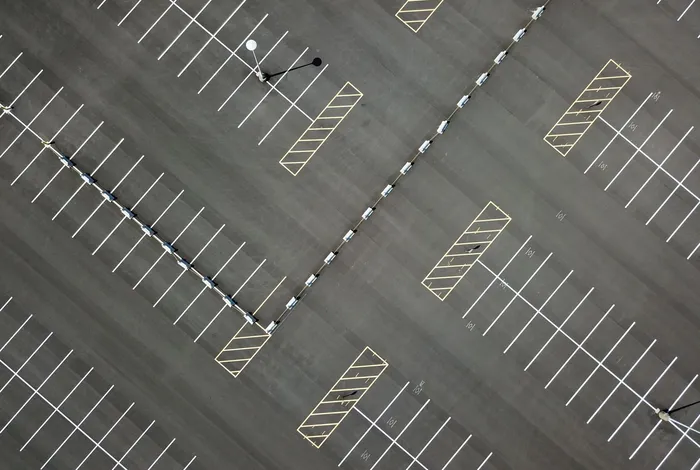
Parking Space Dimensions: Bay Sizes Under Turkey's Car Park Regulation
Turkey's Car Park Regulation sets a minimum of 2.40×4.90 metres for a car parking space and a minimum width of 3.50 metres for an accessible bay. Line layouts are planned with these sizes and the aisle.
Read article ›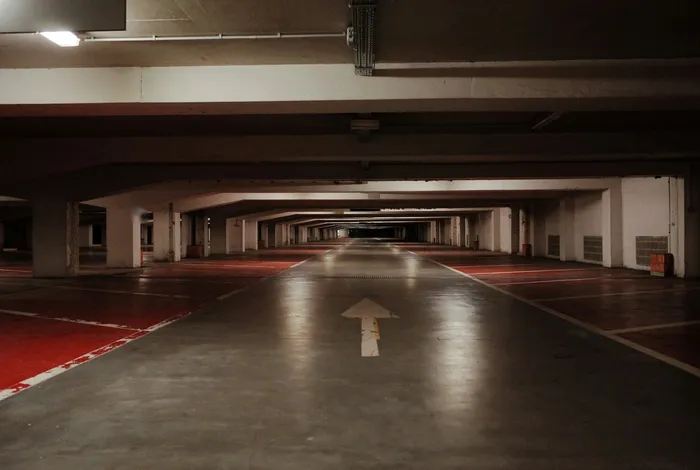
Car Park Floor Coatings: Protection Against Salty Water and Slush in Winter
In winter, cars bring snow, slush and road de-icing salt into car parks. This salty water can penetrate concrete and reach the rebar; the right coating, falls and maintenance protect the deck.
Read article ›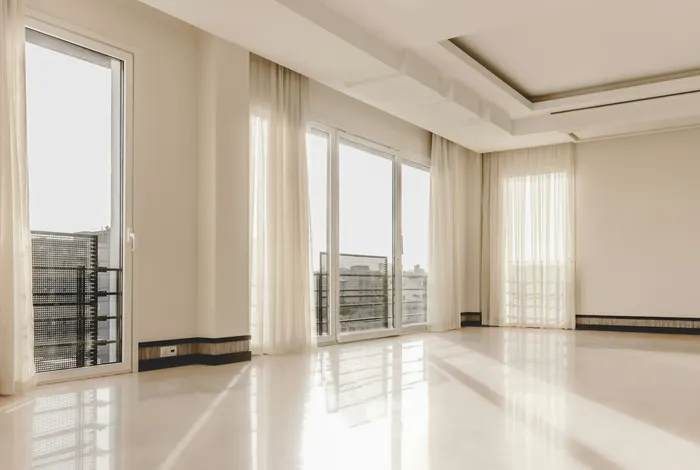
Is Epoxy Flooring Suitable for Homes? Living Room, Kitchen and Bathroom
Epoxy can be used at home too, but a house brings different expectations from a factory. The substrate, grip in wet rooms and sunny windows decide the right choice.
Read article ›